






Wedding Cakes · Styling & Display
How to Style a Cake Table
The cake is the centrepiece of the reception. The table it sits on is the setting that lets it hold the room.

Knowing how to style a cake table is what turns a finished cake into a finished moment, the kind guests photograph before anyone reaches for a slice. The cake already carries the room from the front of the hall; a considered table simply gives it the setting it deserves, and pulls the design into the wider look of the day.
For cake designers, the table is also part of the service. The work of structure, proportion and finish does not stop at the top tier, and a few deliberate choices around the cake make the difference between a cake that sits on a table and a cake centrepiece that commands one. Here is how we approach it, layer by layer.
- Start with the surface: a tablecloth is a given, an overlay is the layer most people forget.
- Build height with a cake stand, plinth or platform stand, matched to the weight and style of the cake.
- Scatter petals, or commission a floral or foliage arrangement, to tie the cake to the wider scheme.
- Add a few restrained props, never a crowd.
- Agree the whole table at the consultation stage so the florist and stylist can prepare.
Start with the surface: tablecloth and overlay
A tablecloth is a given, usually provided by the venue. An overlay is the additional textile layer that often goes unconsidered, and it is the quickest way to lift a plain trestle into something intentional. Choose an overlay in a smooth or deliberately textured fabric, in a colour that sits with the wider palette, and lay it over the venue cloth. Keep it a little smaller than the cloth beneath so a clean two-layer edge shows, which reads as considered rather than accidental.
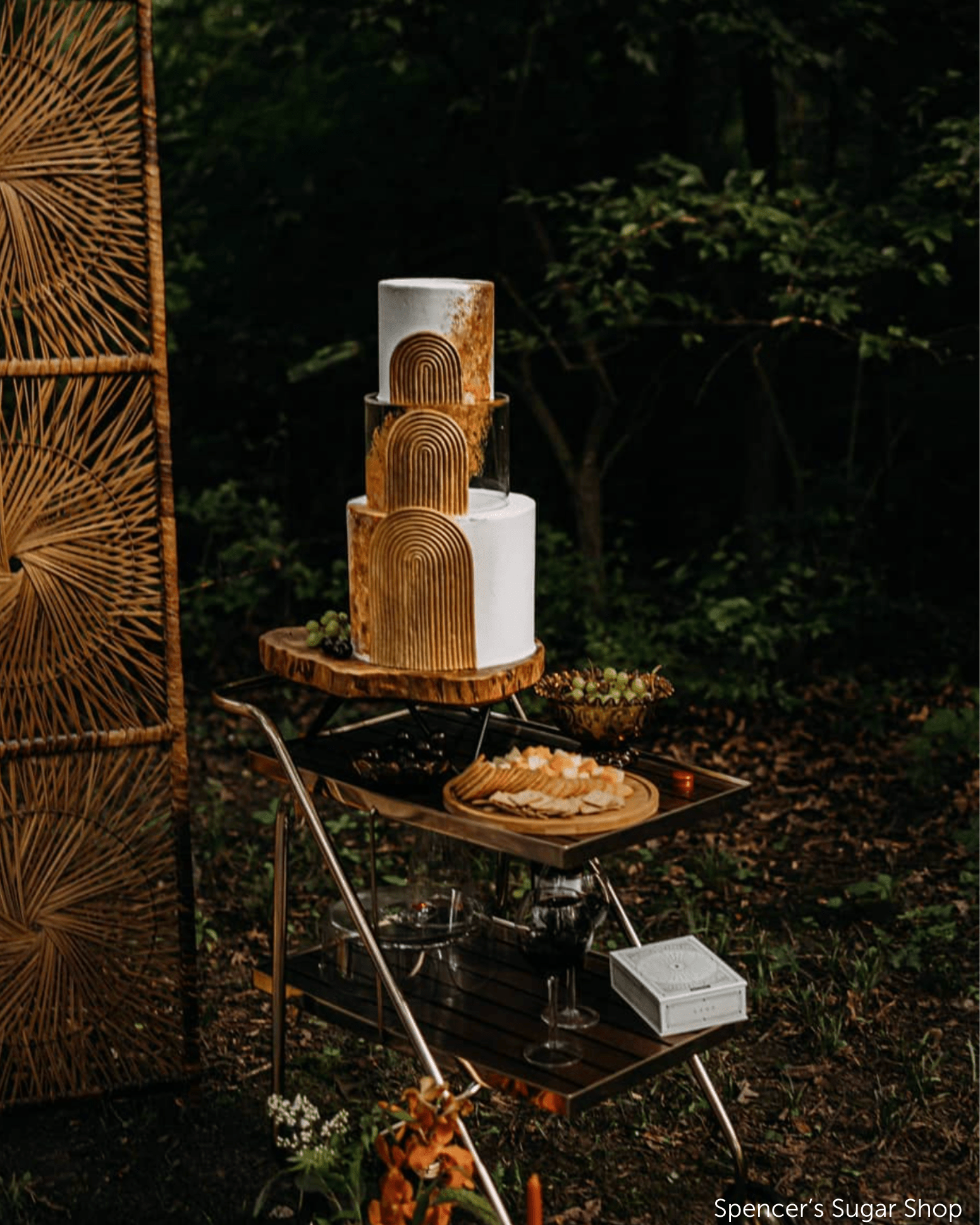
Texture on the table can also echo texture on the cake. A finely woven or subtly ridged overlay sitting beneath a reeded or pressed fondant finish ties the surface to the centrepiece without anyone needing to point it out. The aim is cohesion: the table should feel designed alongside the cake, not dressed afterwards.
Height and structure: cake stands, plinths and platform stands
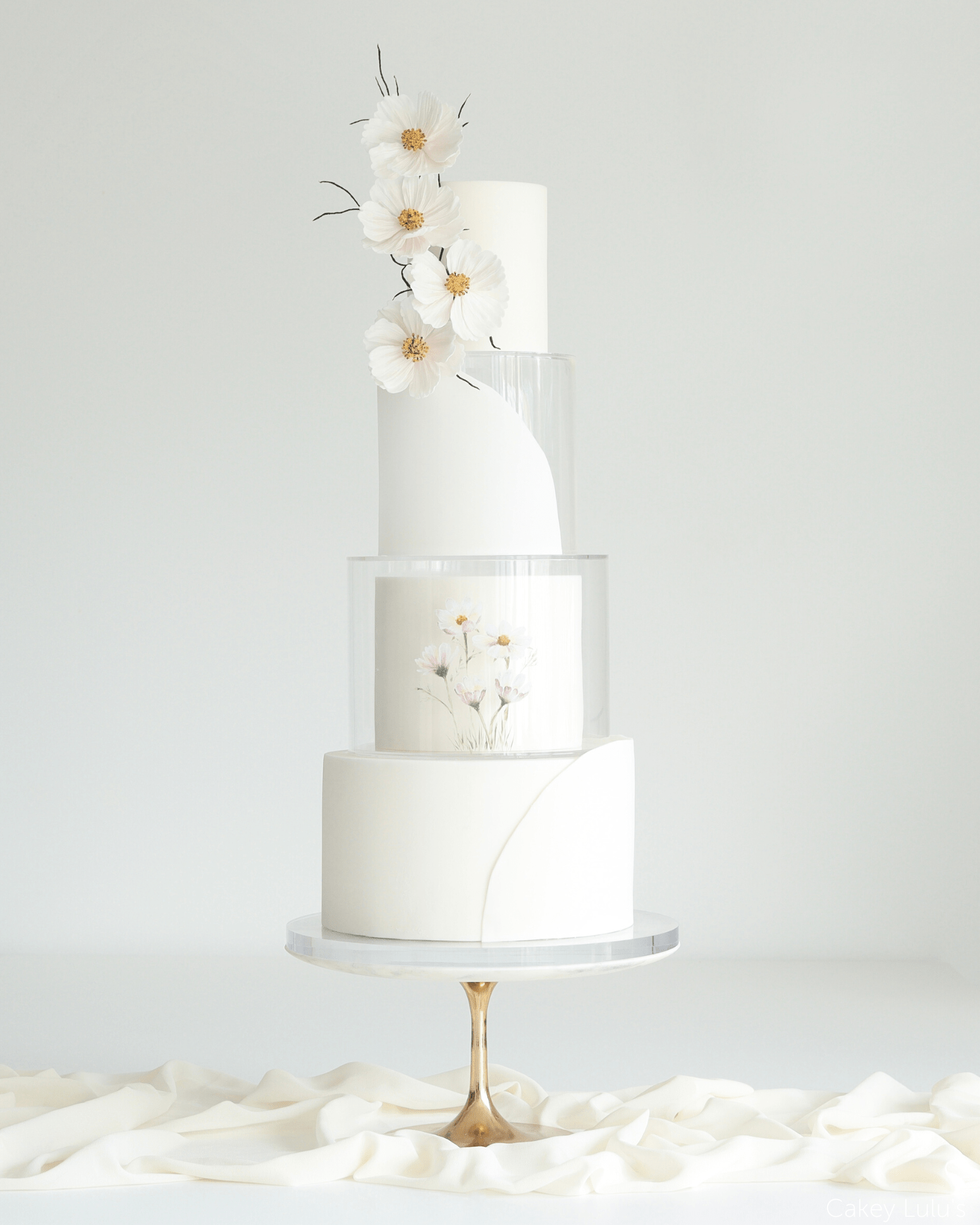
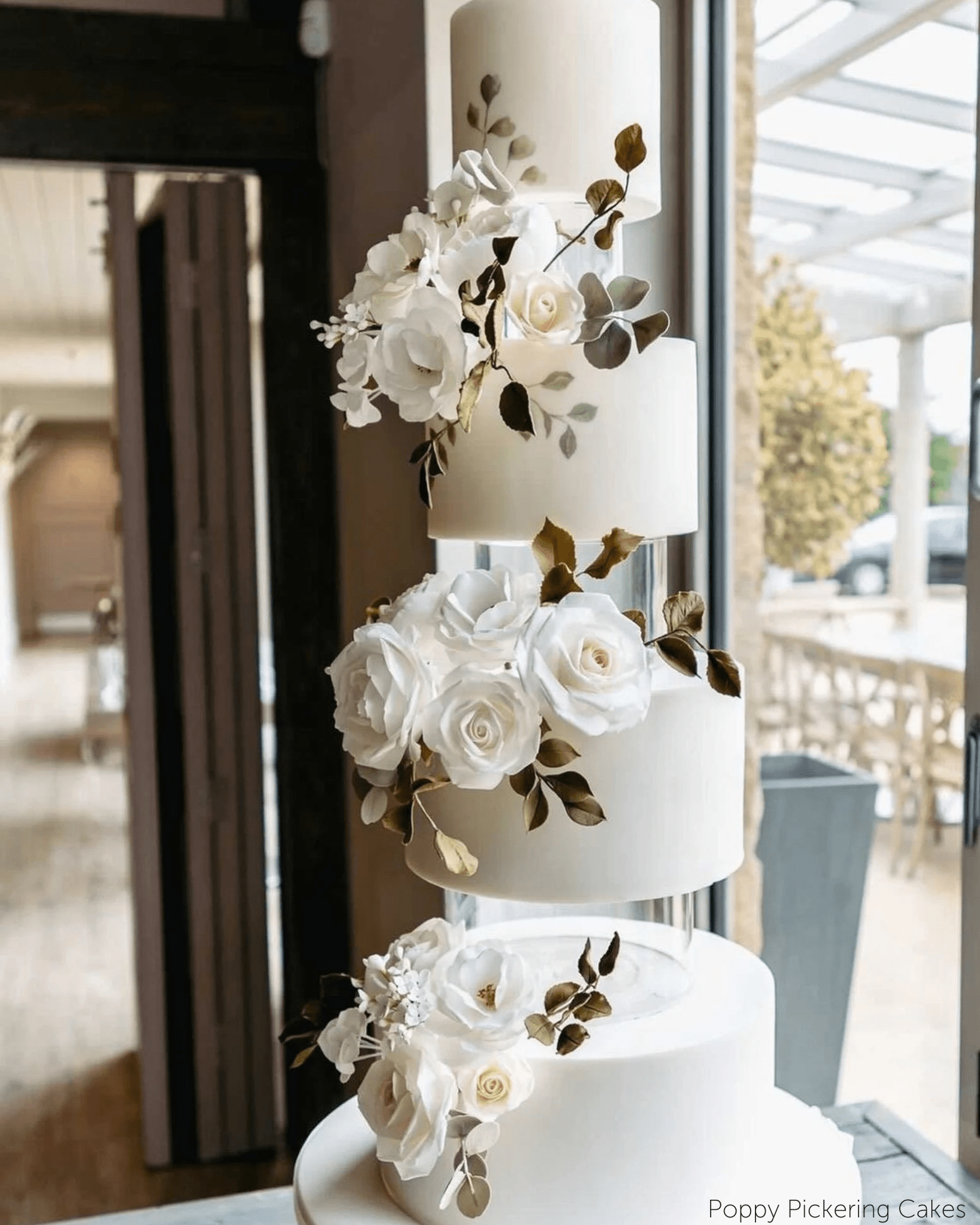
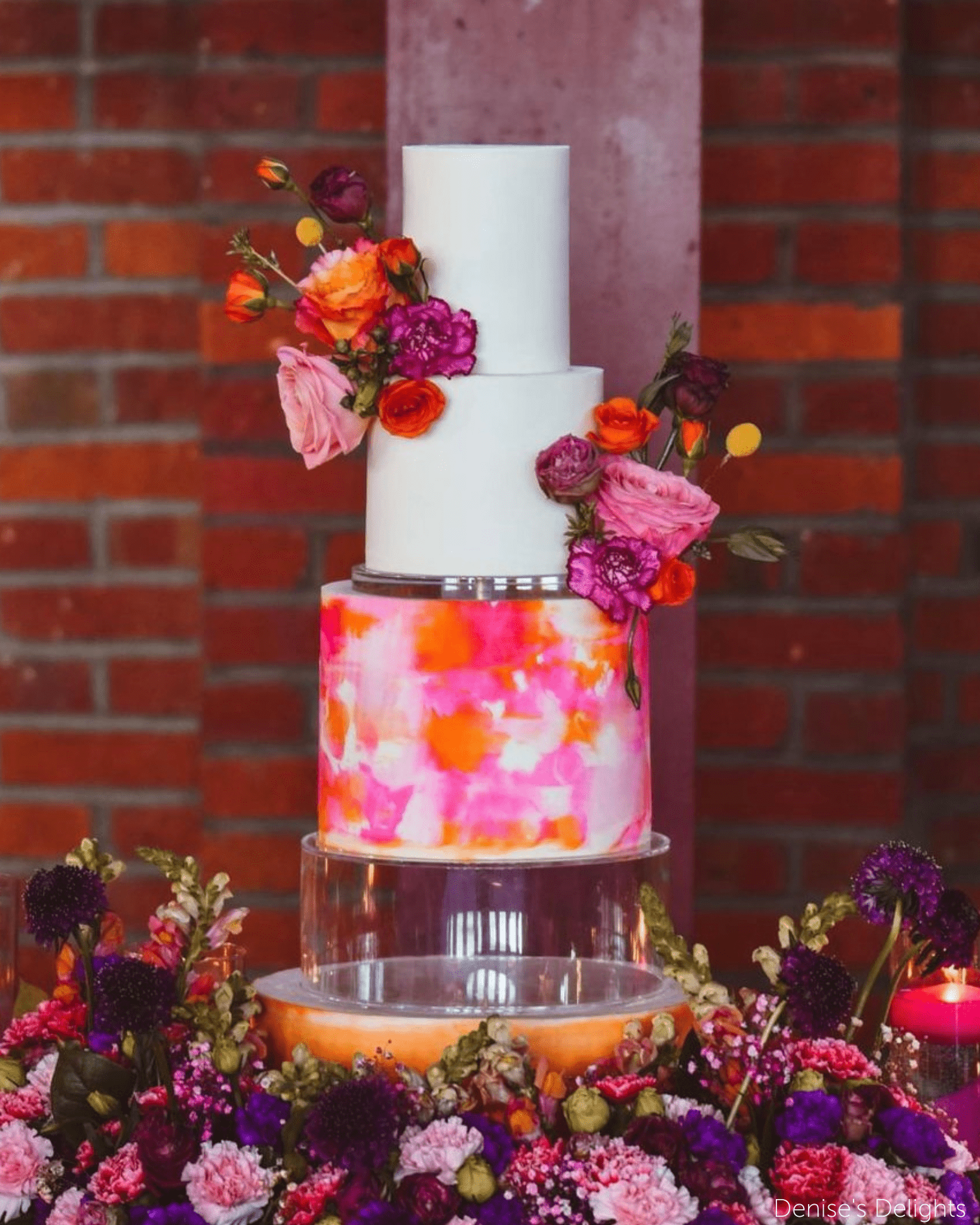
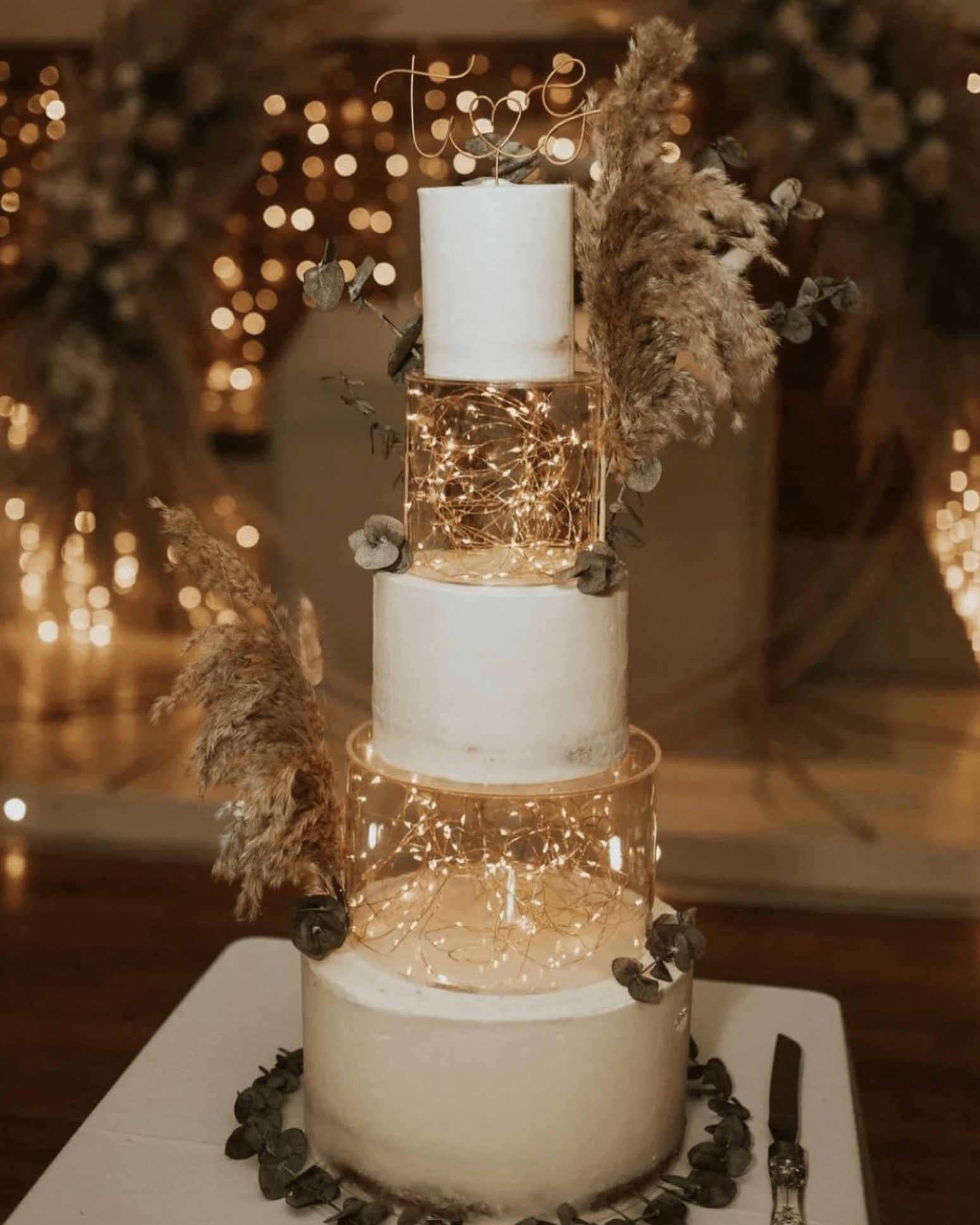
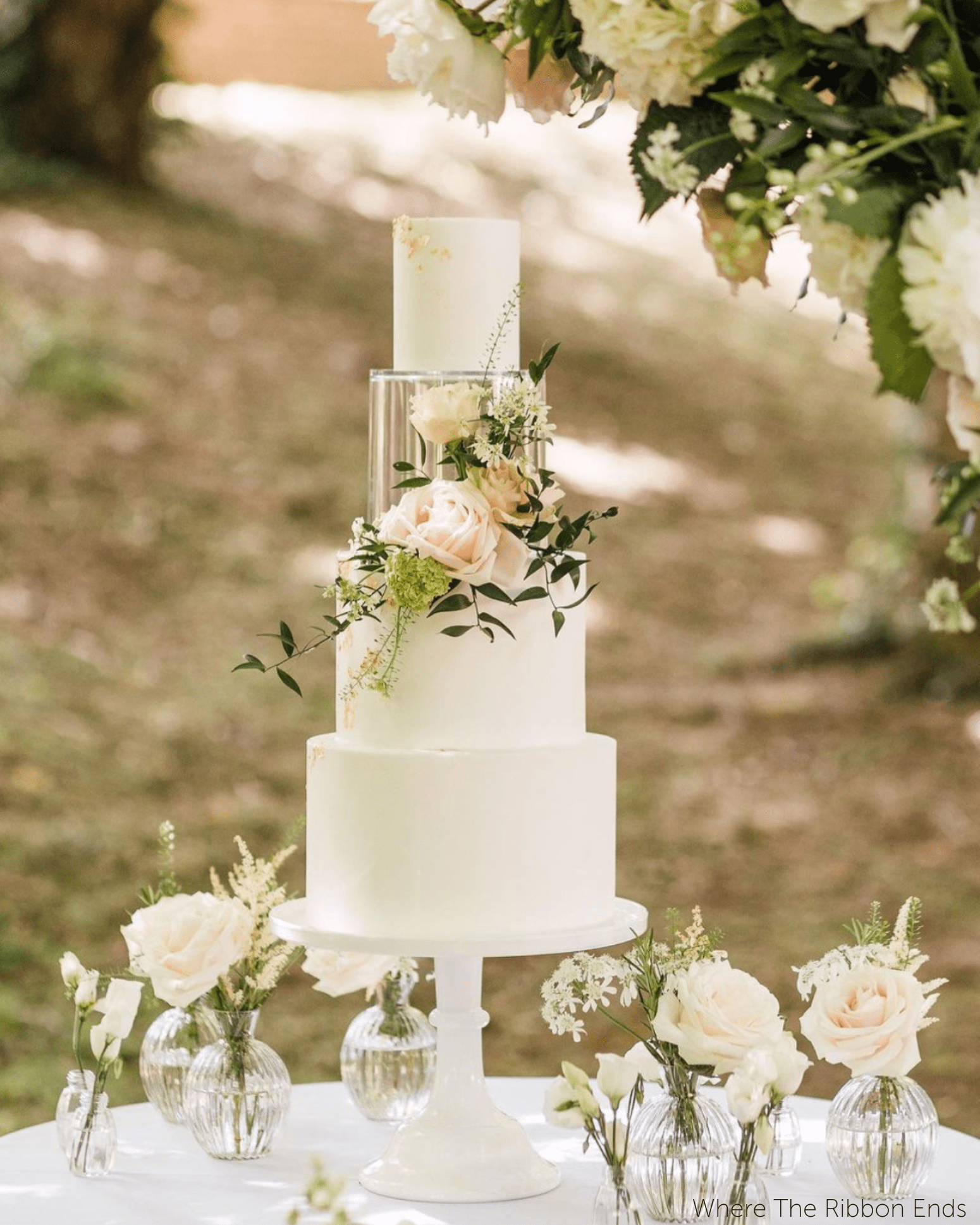
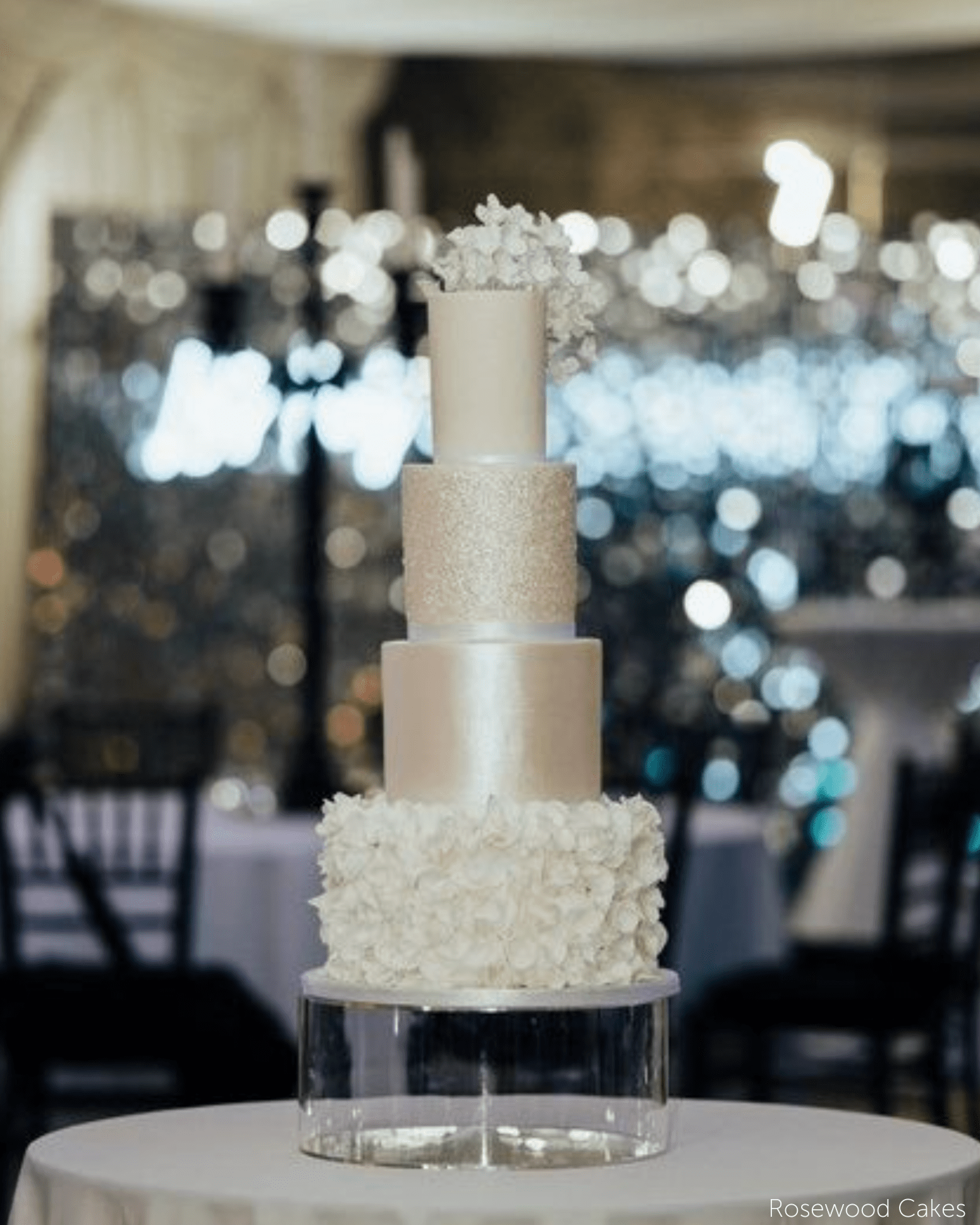
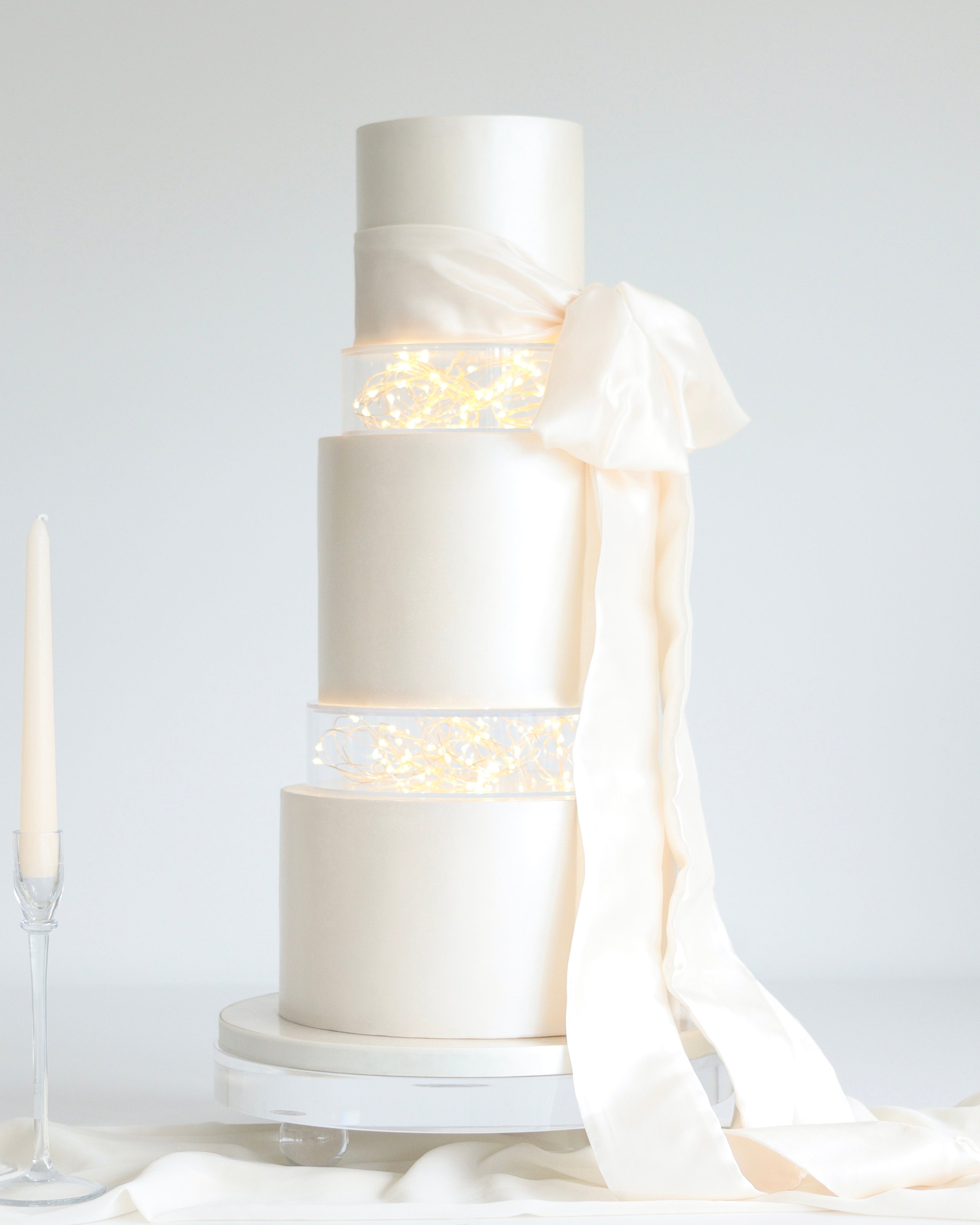
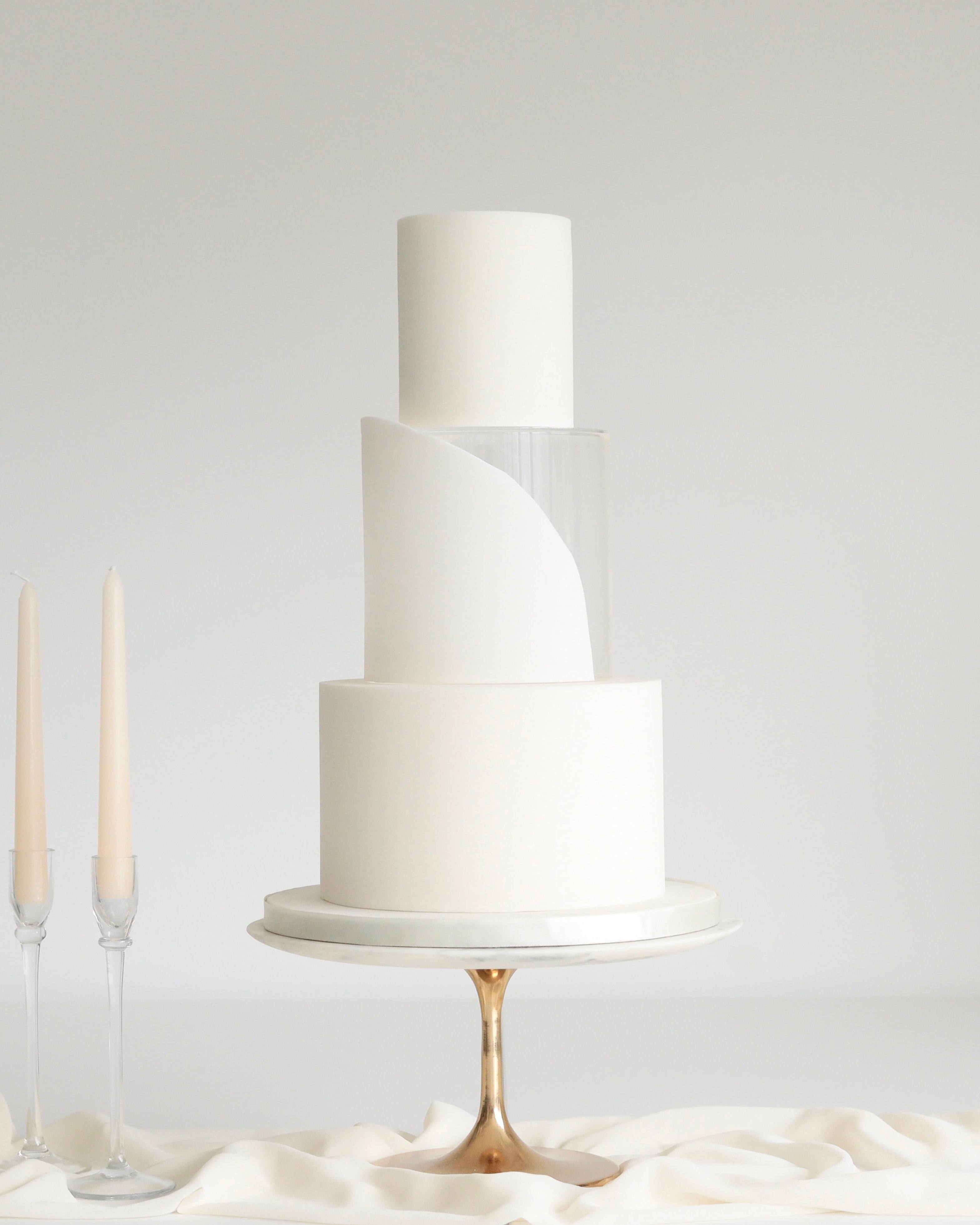
The most effective move on any cake table is height. A cake stand, plinth or platform stand lifts the cake clear of the surface, adds presence, and gives the design somewhere to resolve. It is the finishing flourish that high heels bring to an outfit: height, poise, and a little more authority.
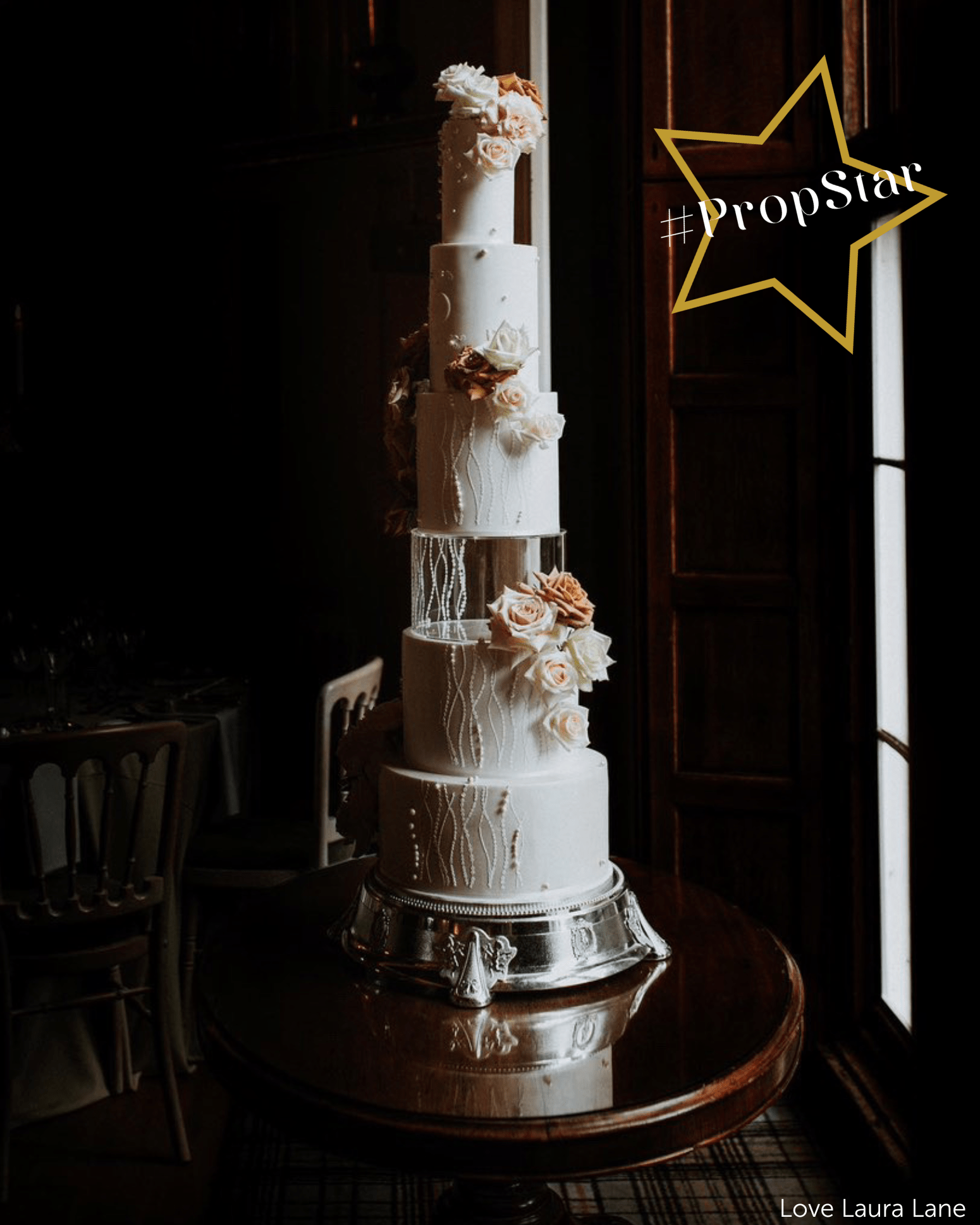
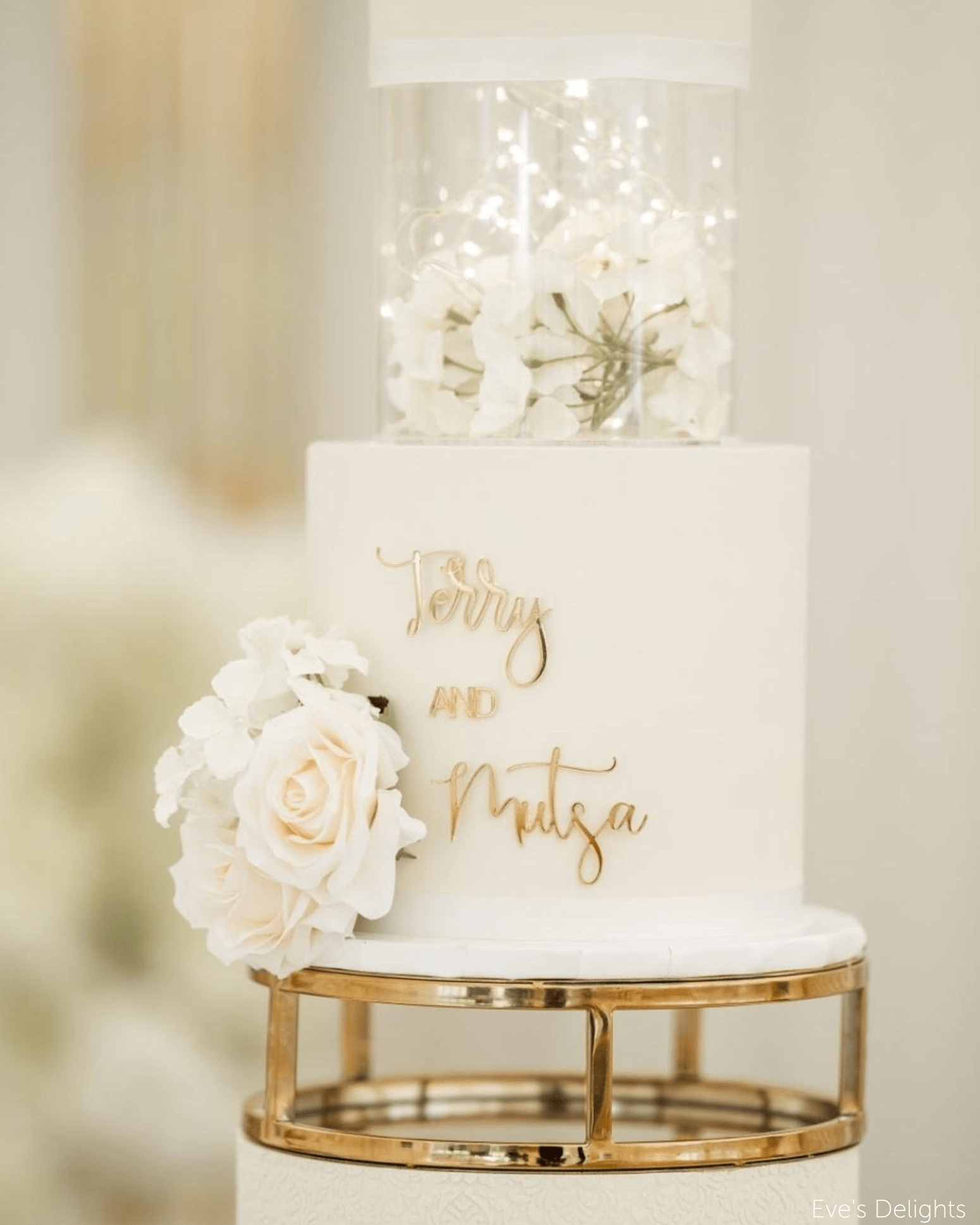
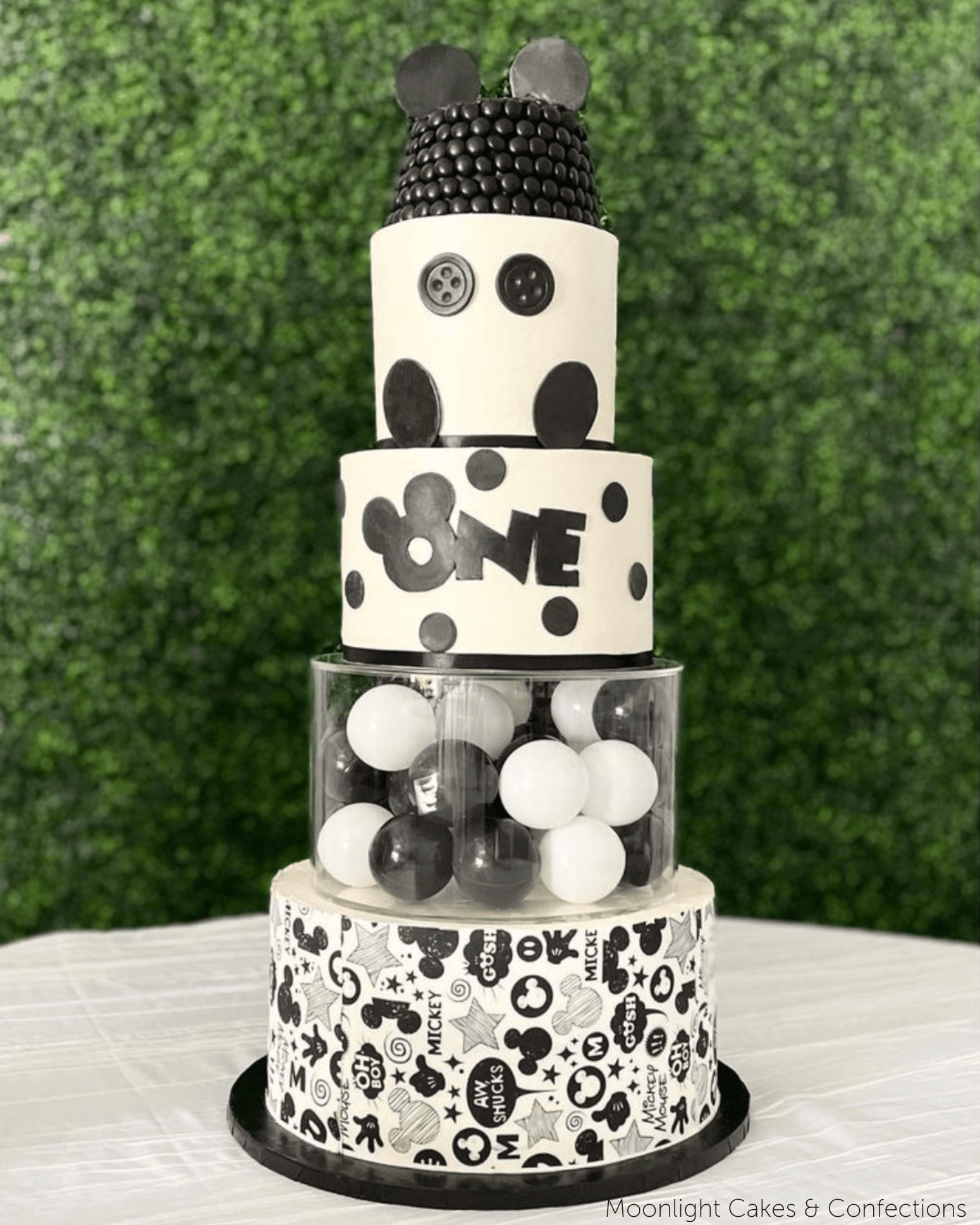
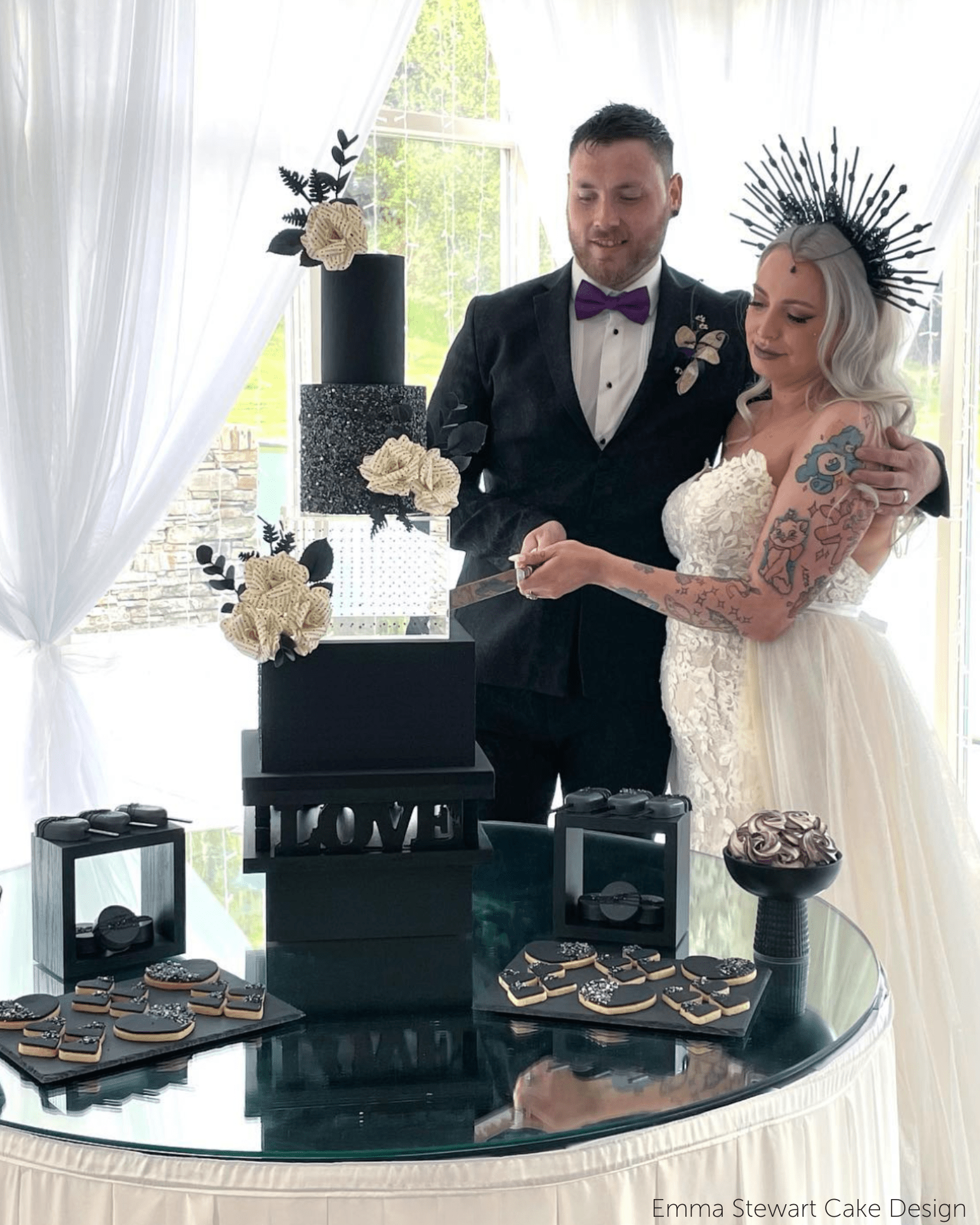
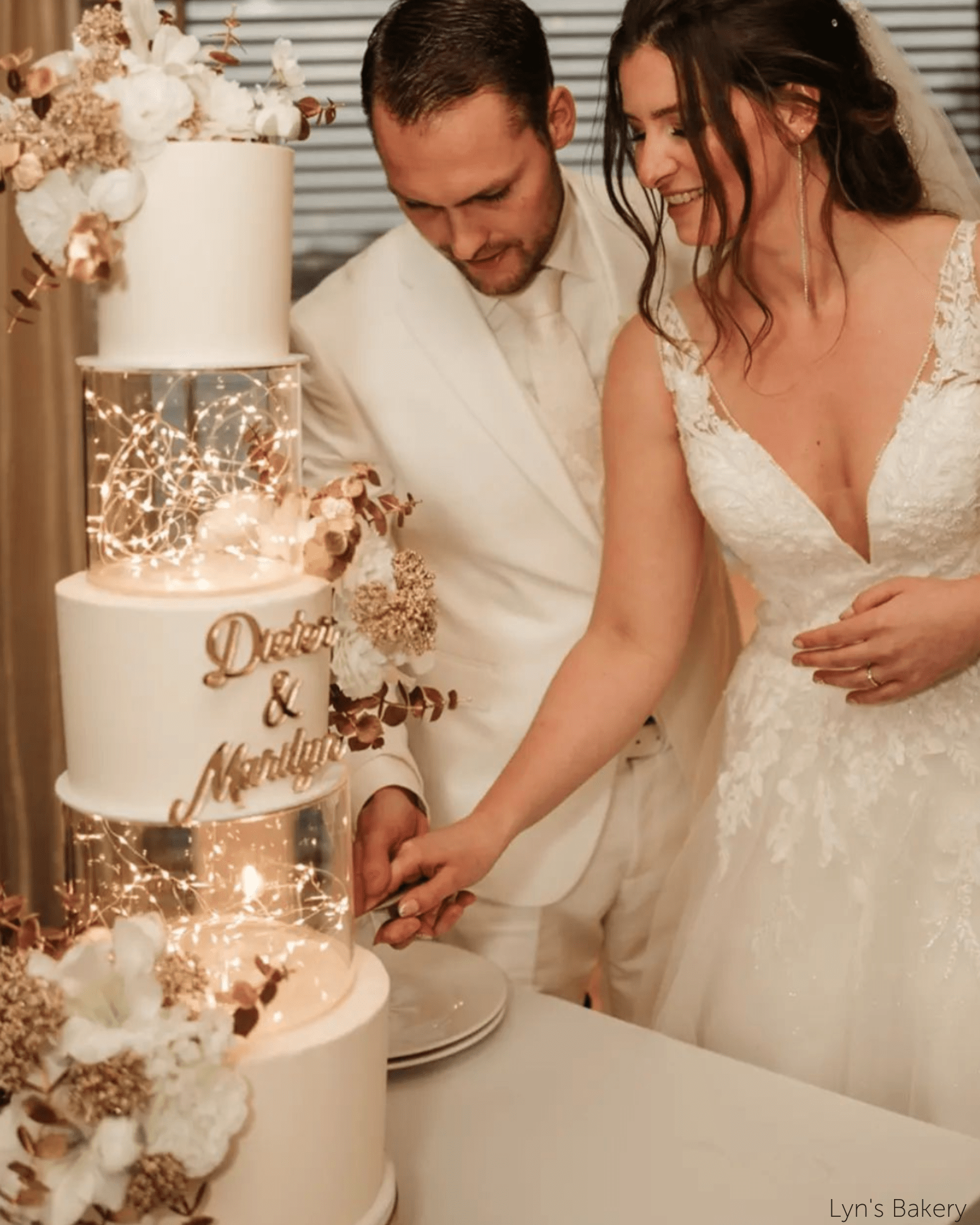
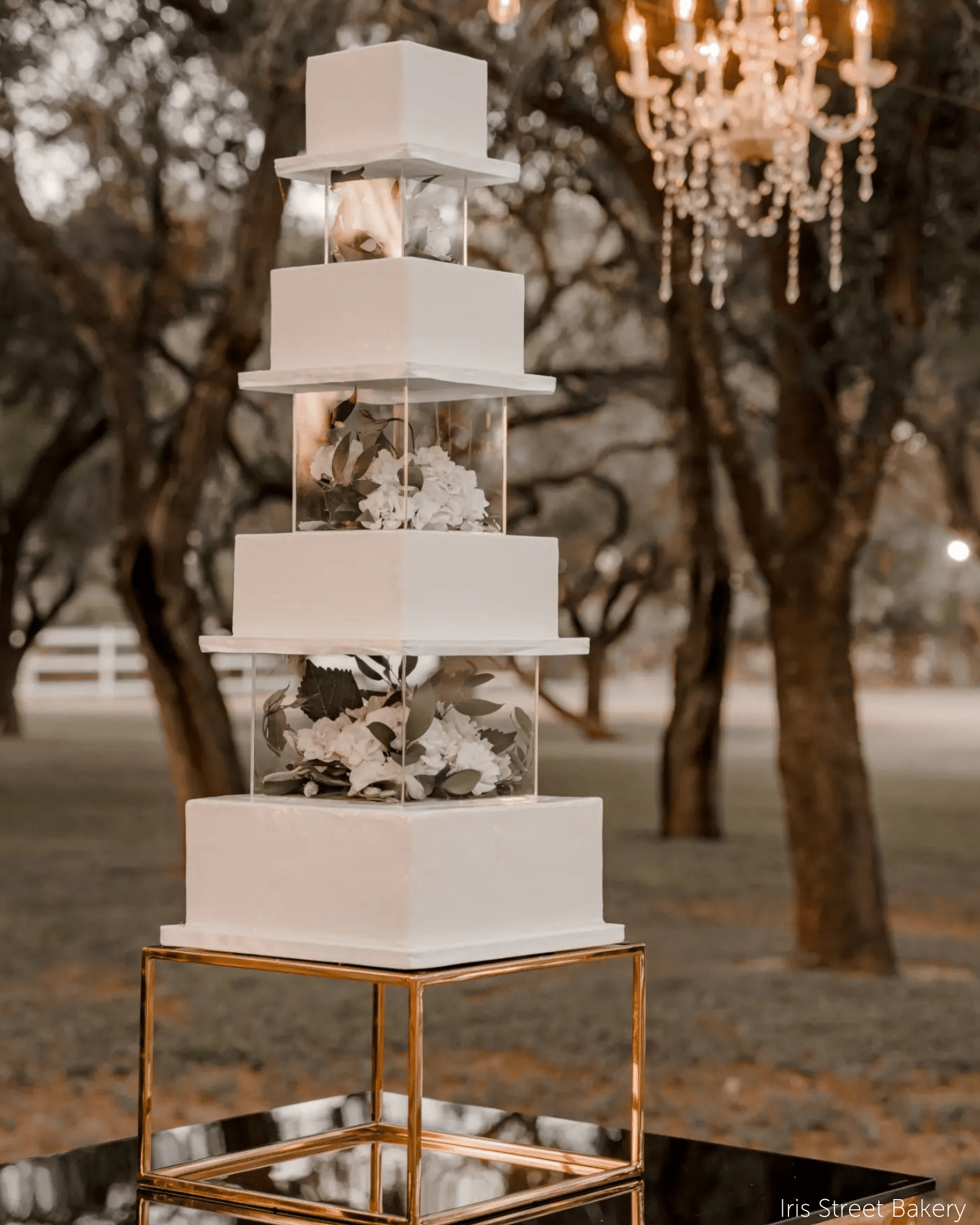
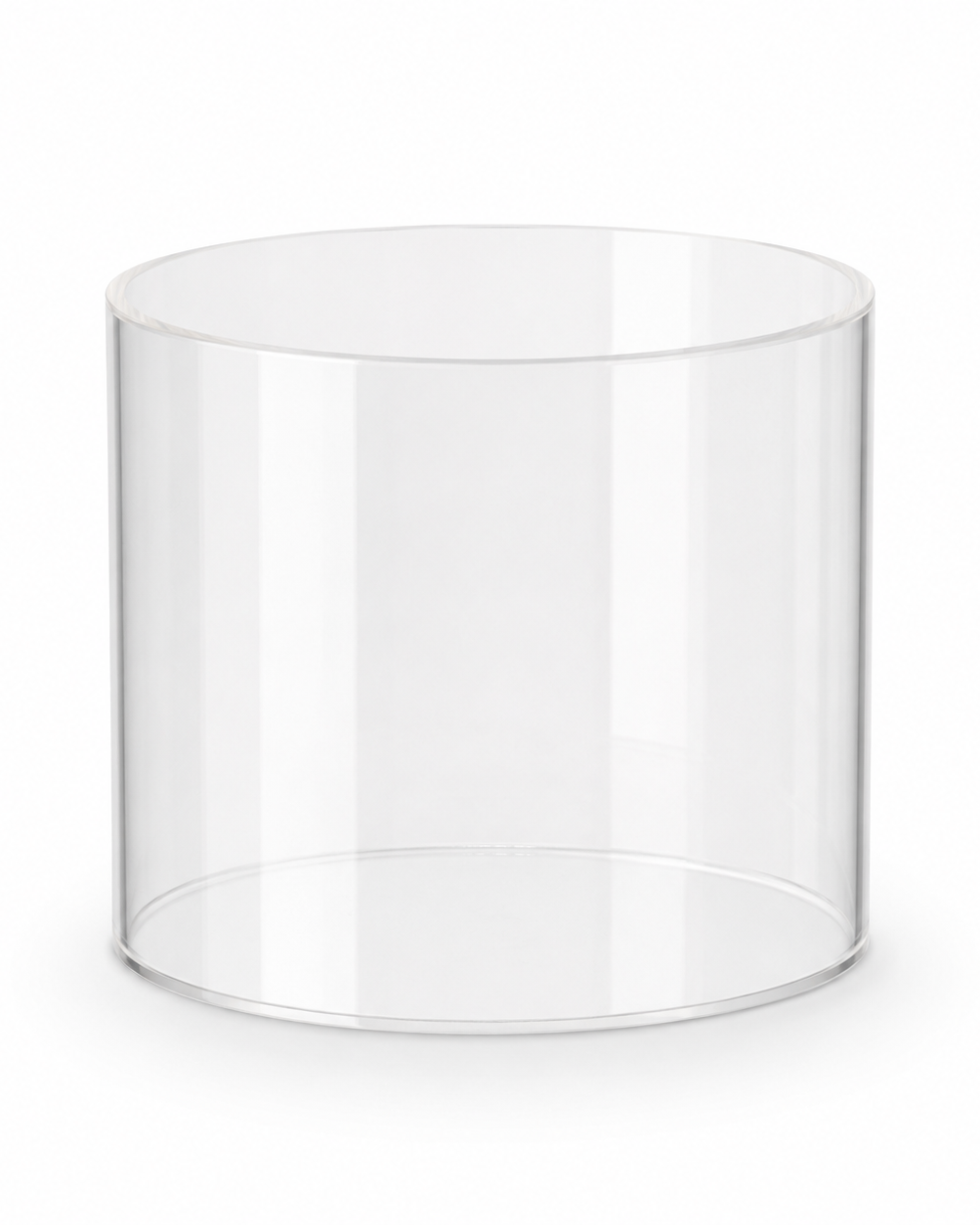
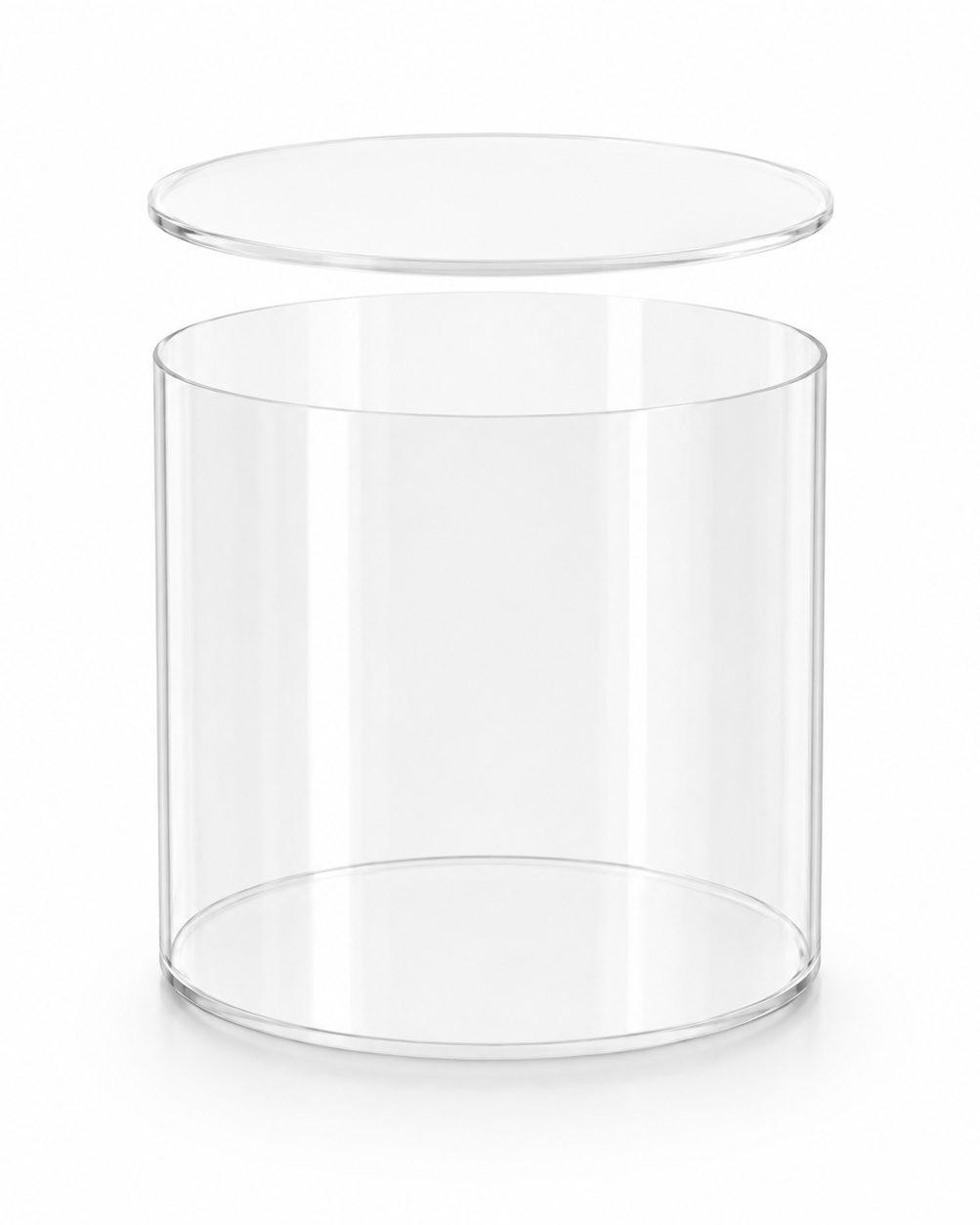
Match the support to the cake. Wider, heavier multi-tiered cakes need a platform stand or sturdy plinth that holds them with stable, even load-bearing across the base, which is exactly what our PropSecure system is built to give. Slimmer, sleeker designs suit a narrower cake stand or plinth, which adds height and a quieter sense of occasion. Across both, finish matters: choose from wood, metallics and acrylics so the stand reads as part of the design rather than a prop beneath it.
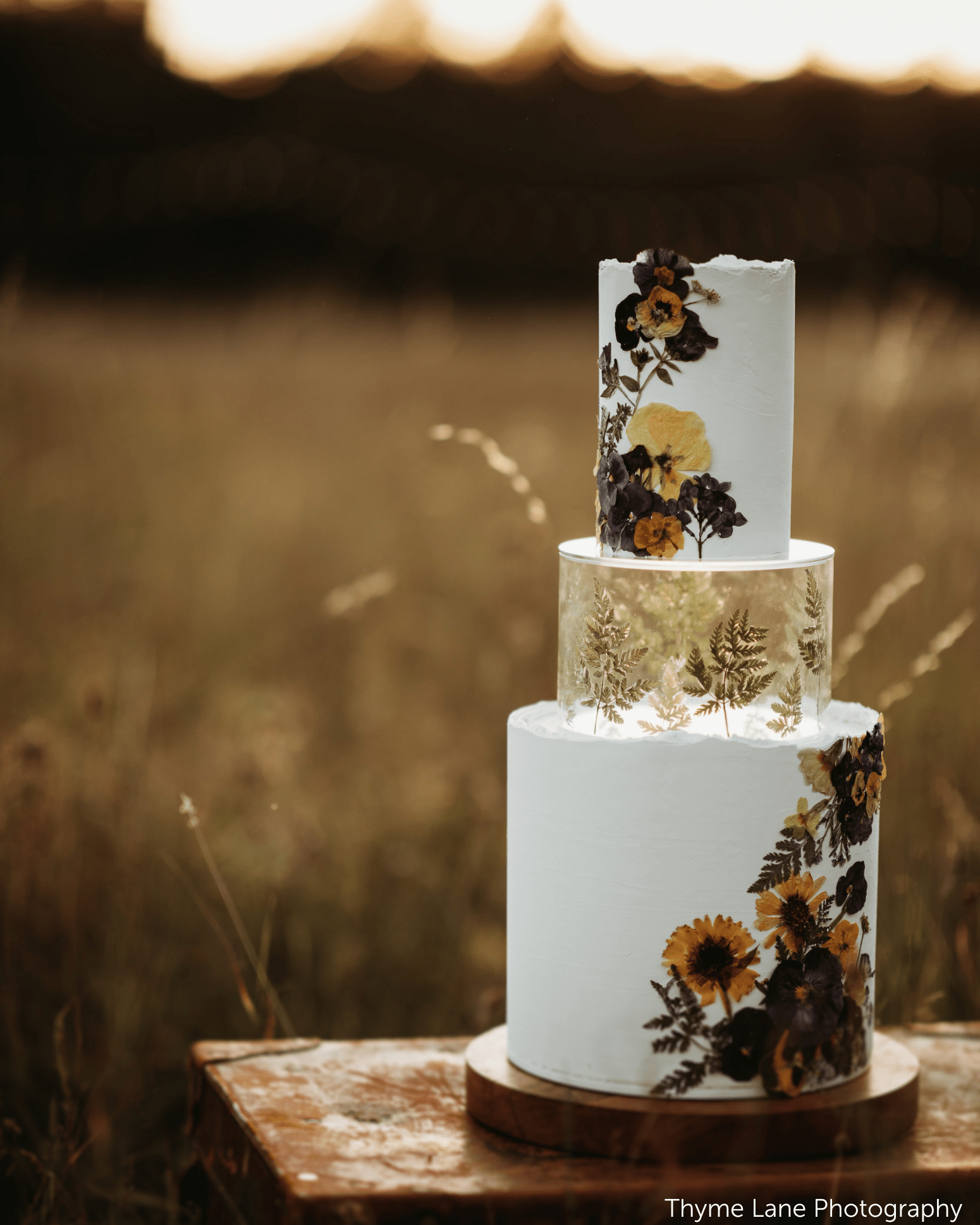
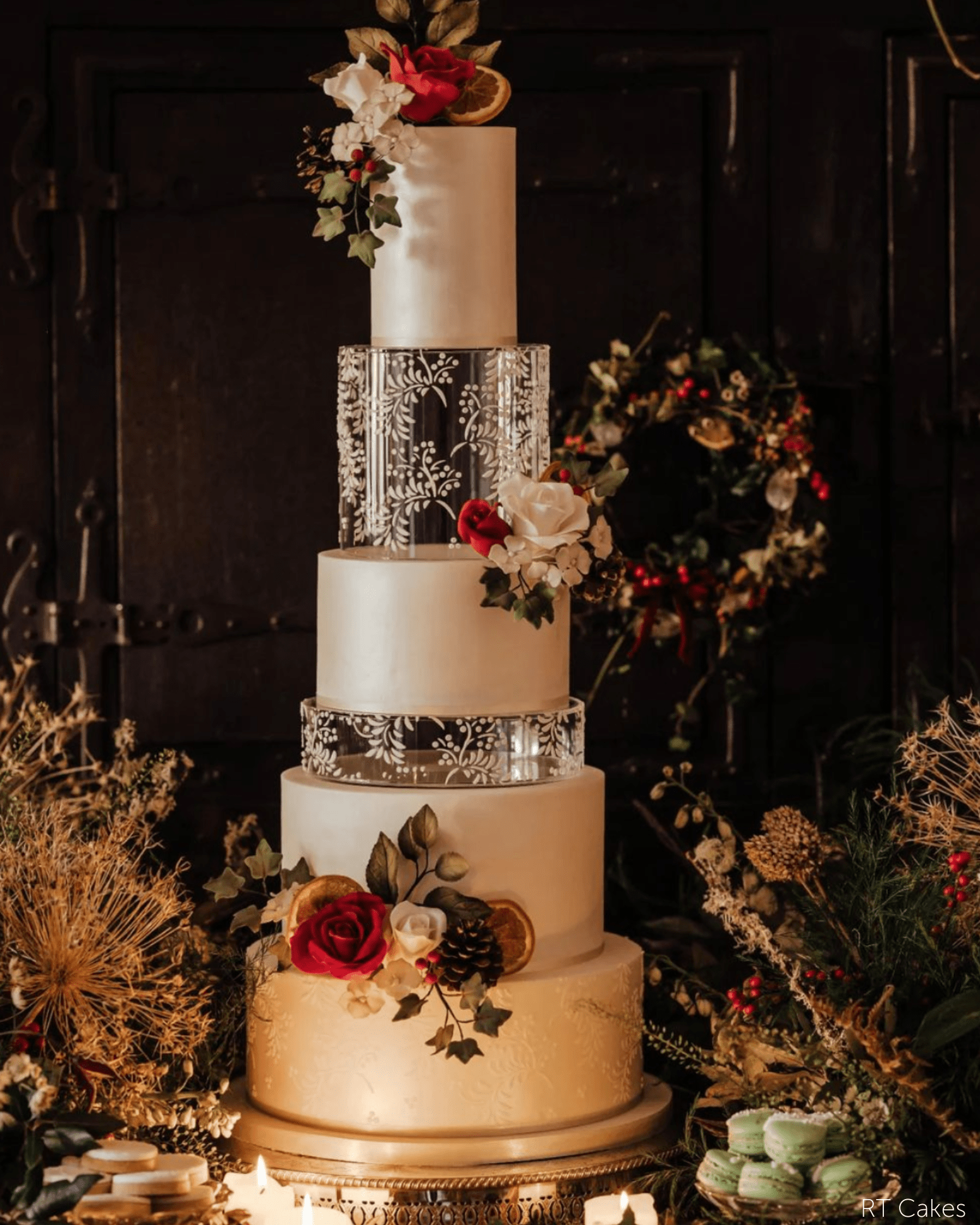
Then let the cake lead the choice. A regal, gold-detailed cake sits well on an ornate metallic metallic cake stand, while a rustic buttercream tier is better paired with a carved wooden stand. The stand should agree with the cake's colour, weight and detailing, so the eye reads one object rather than two.
Height is the difference between a cake that sits on a table and a cake centrepiece that commands one.
Rose petals
The first time a florist suggested scattering rose petals around a cake, it changed how we finished every table afterwards. Matched to the florals that form the backdrop of the wedding, petals create a quiet cohesion between the cake and the wider reception, and noticeably strengthen the visual impact of the centrepiece.
You can use real petals, requested from the event florist, or source artificial petals colour-matched to the scheme. Artificial petals are widely available, reusable across events, and easy to keep on hand, though they can read slightly differently to the live florals chosen for the day. Whichever you use, petals look most considered scattered around the base of a cake plinth or platform stand, where they frame the height you have built rather than crowd the cake itself.
Floral and foliage arrangements
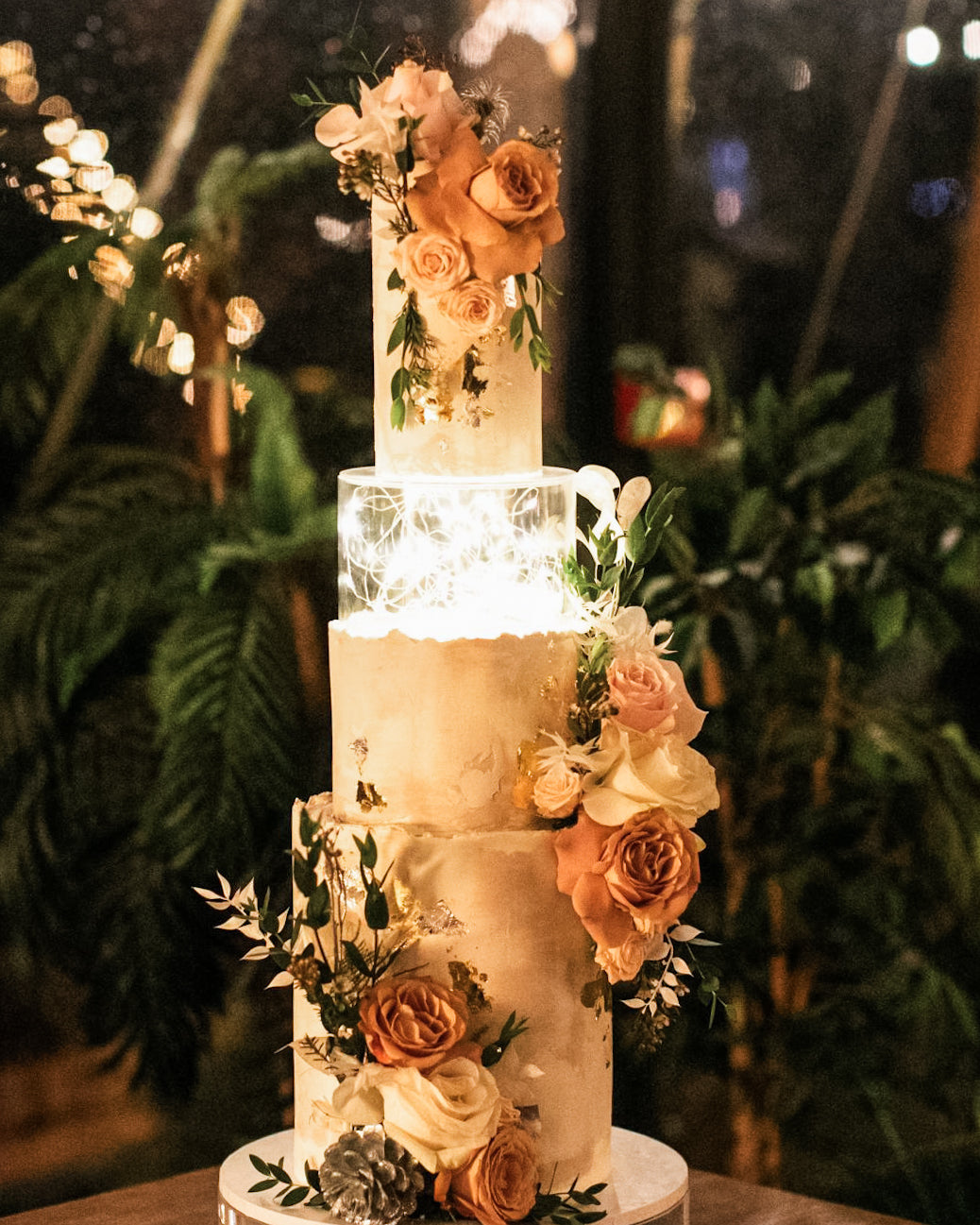
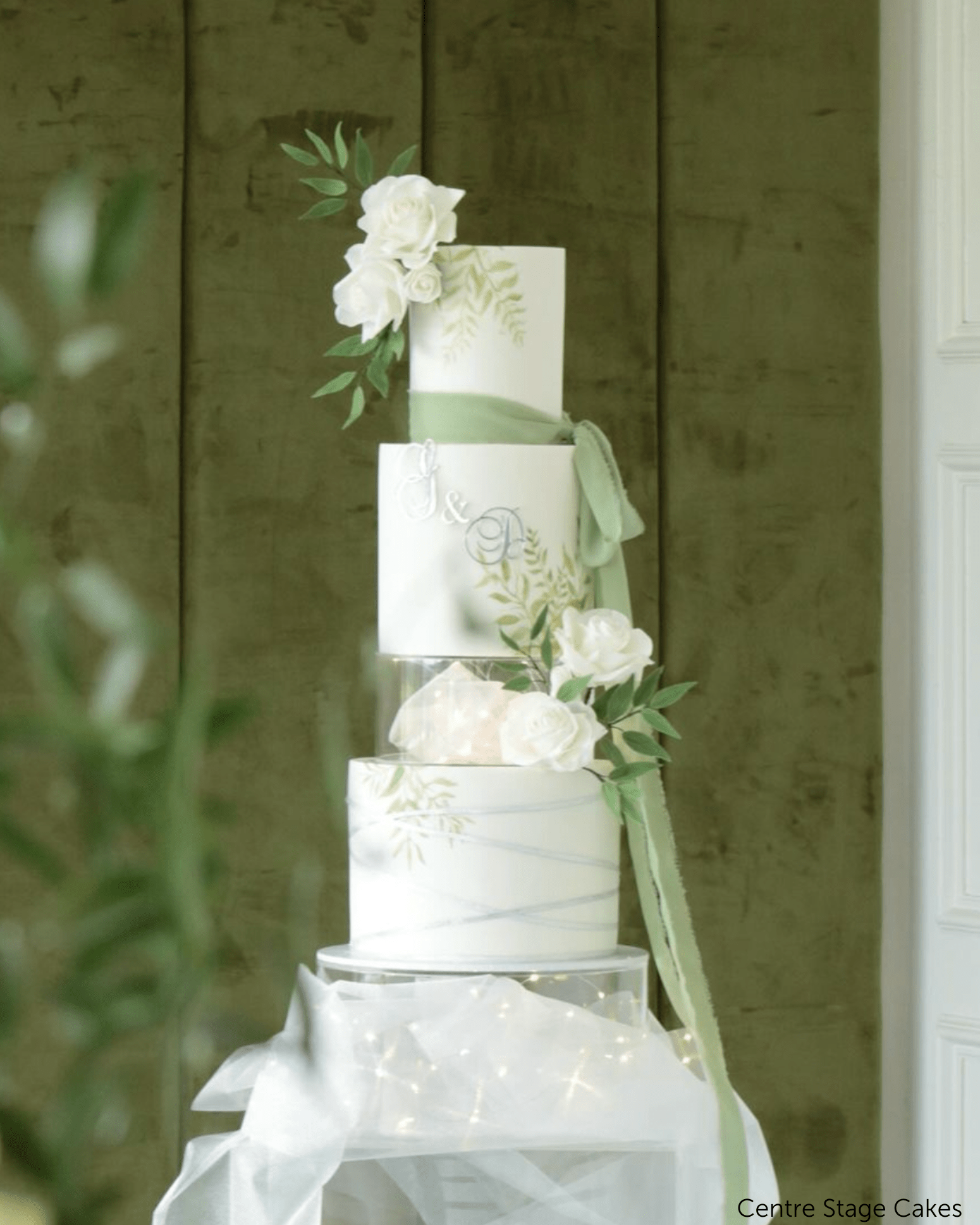
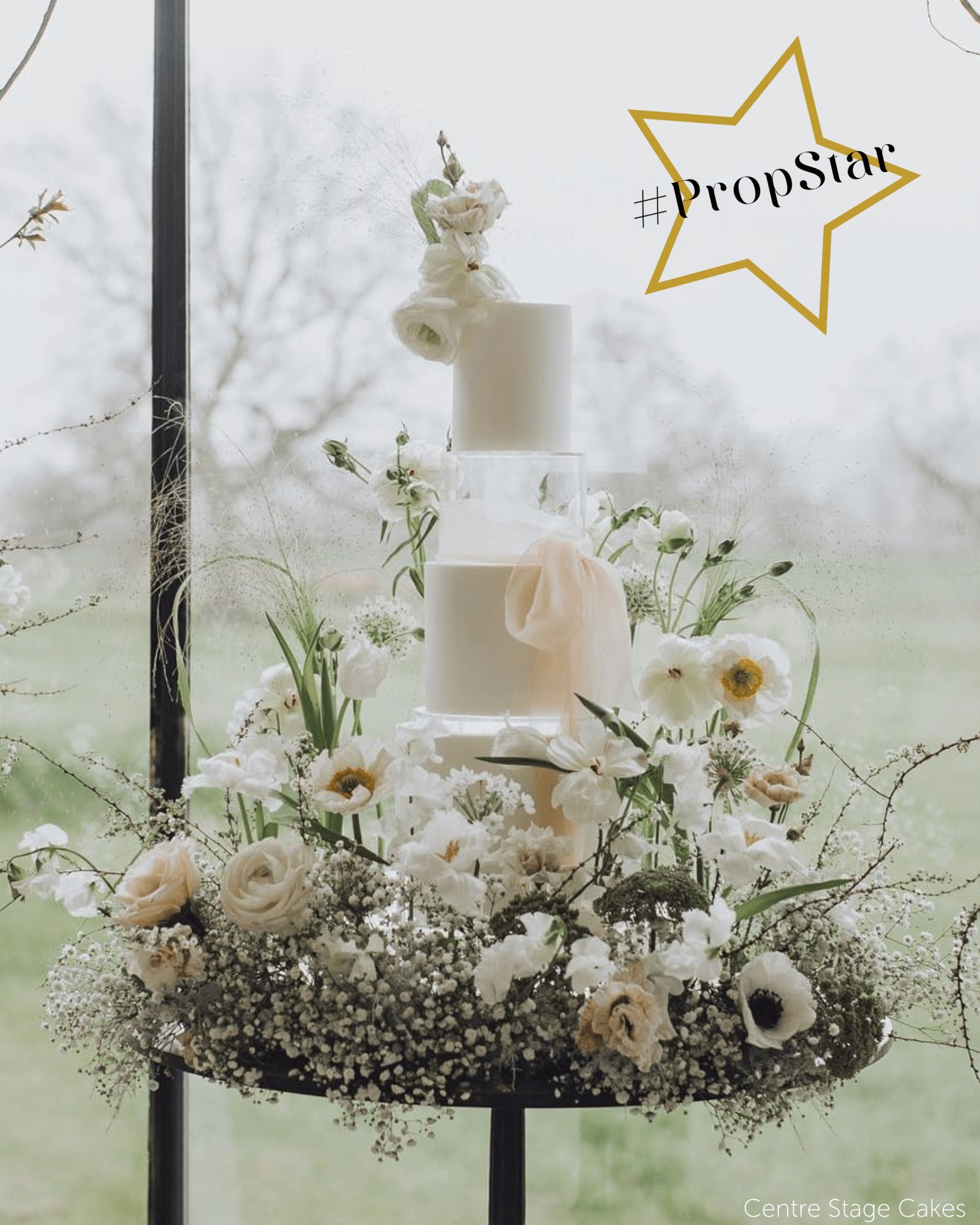
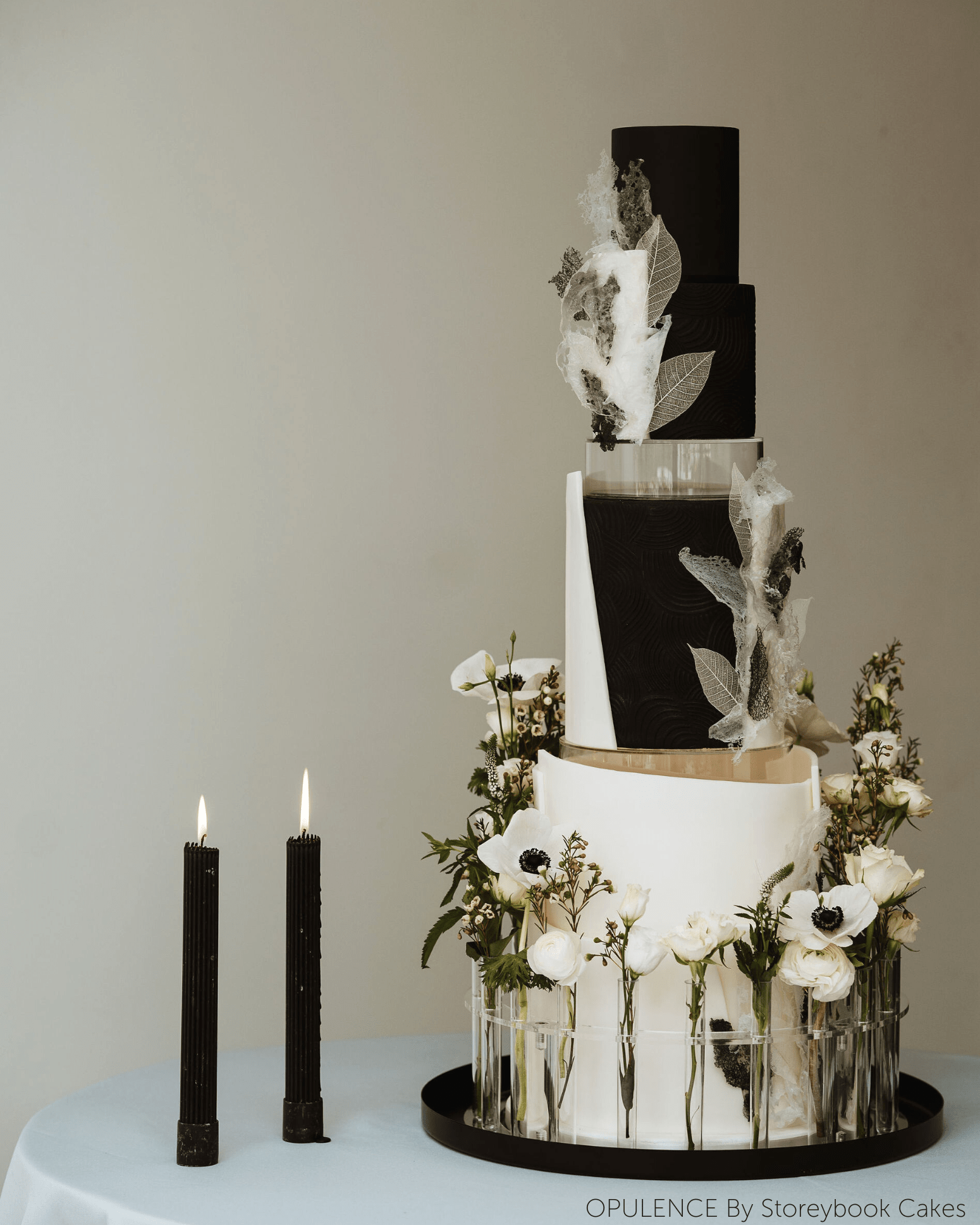
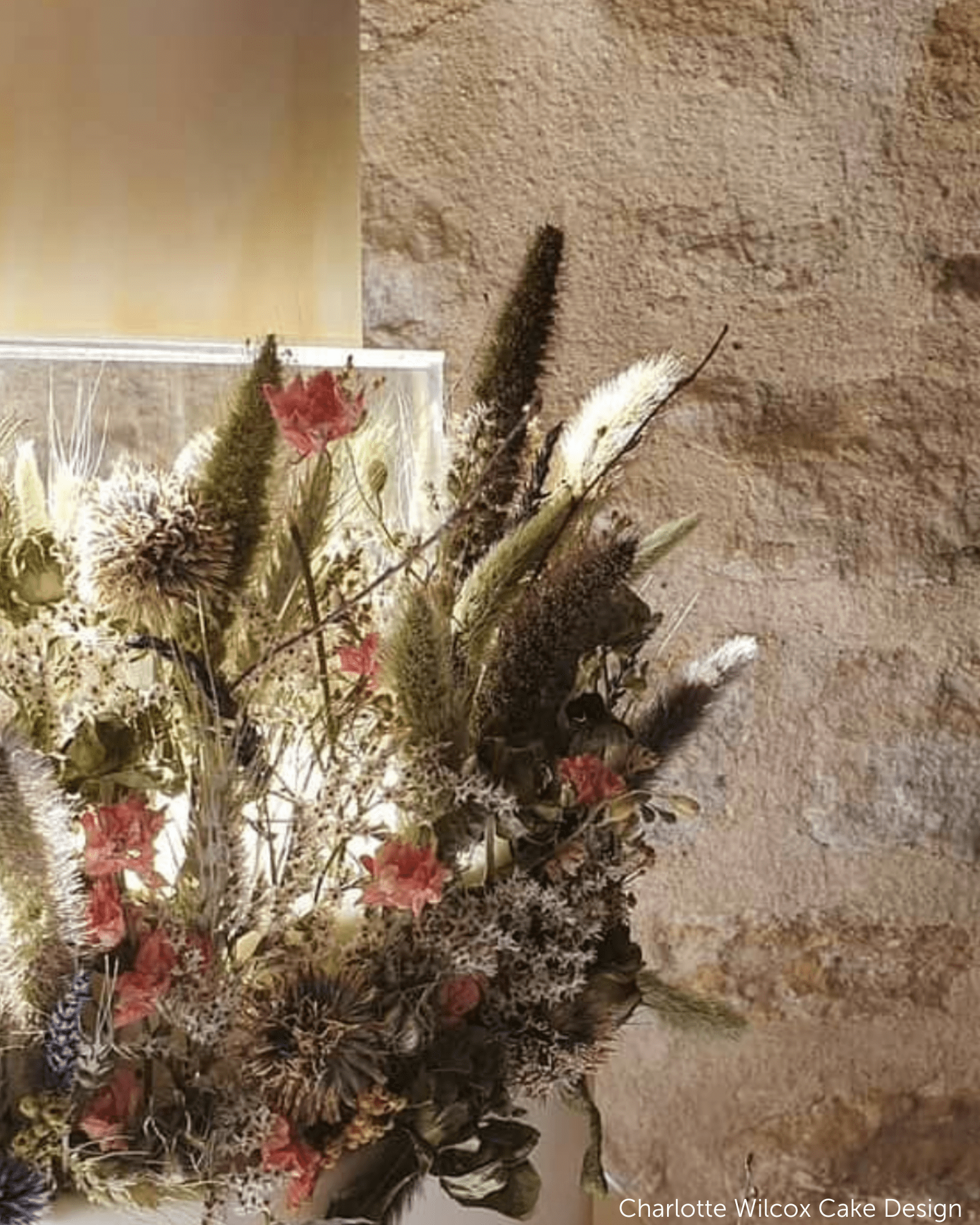
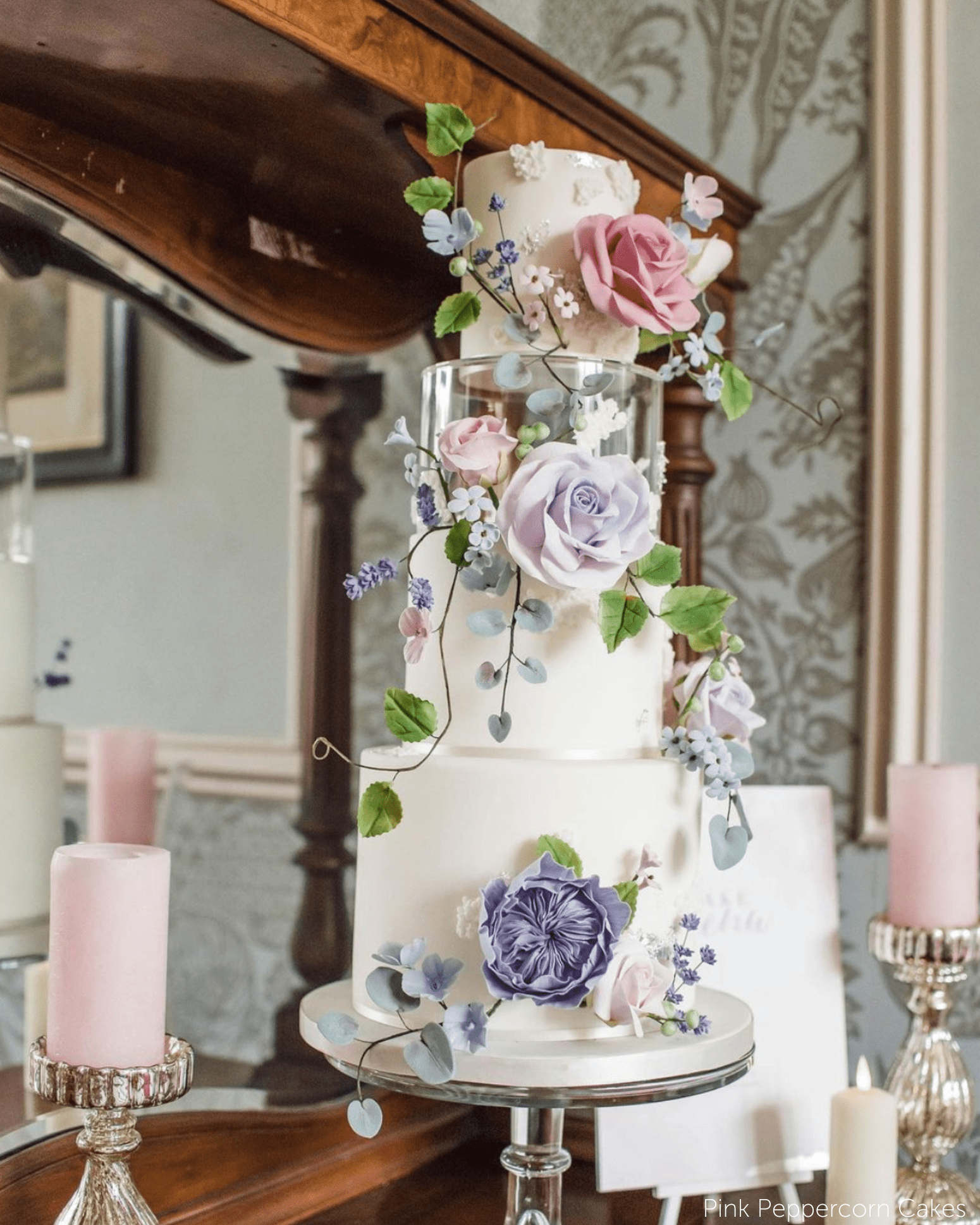
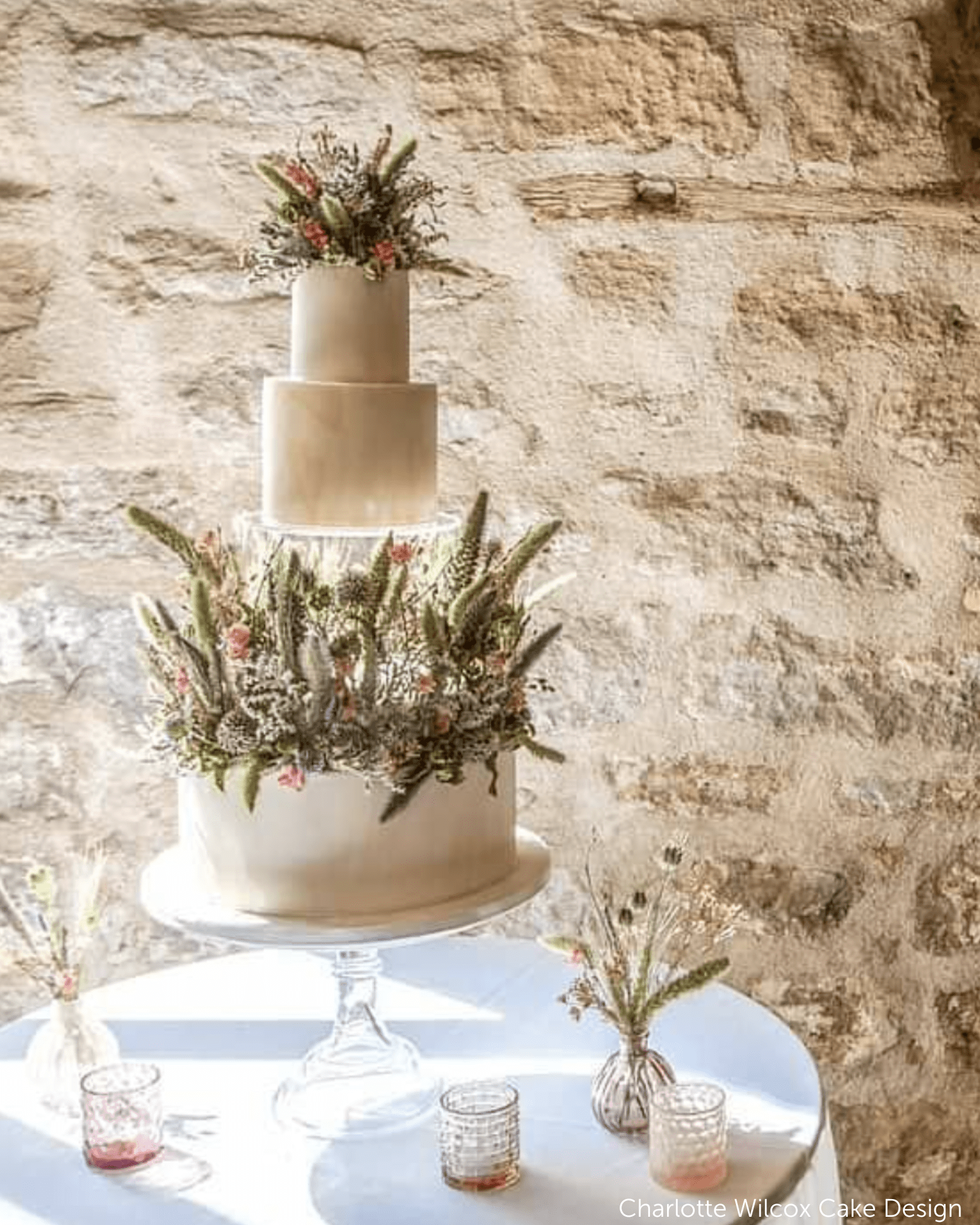
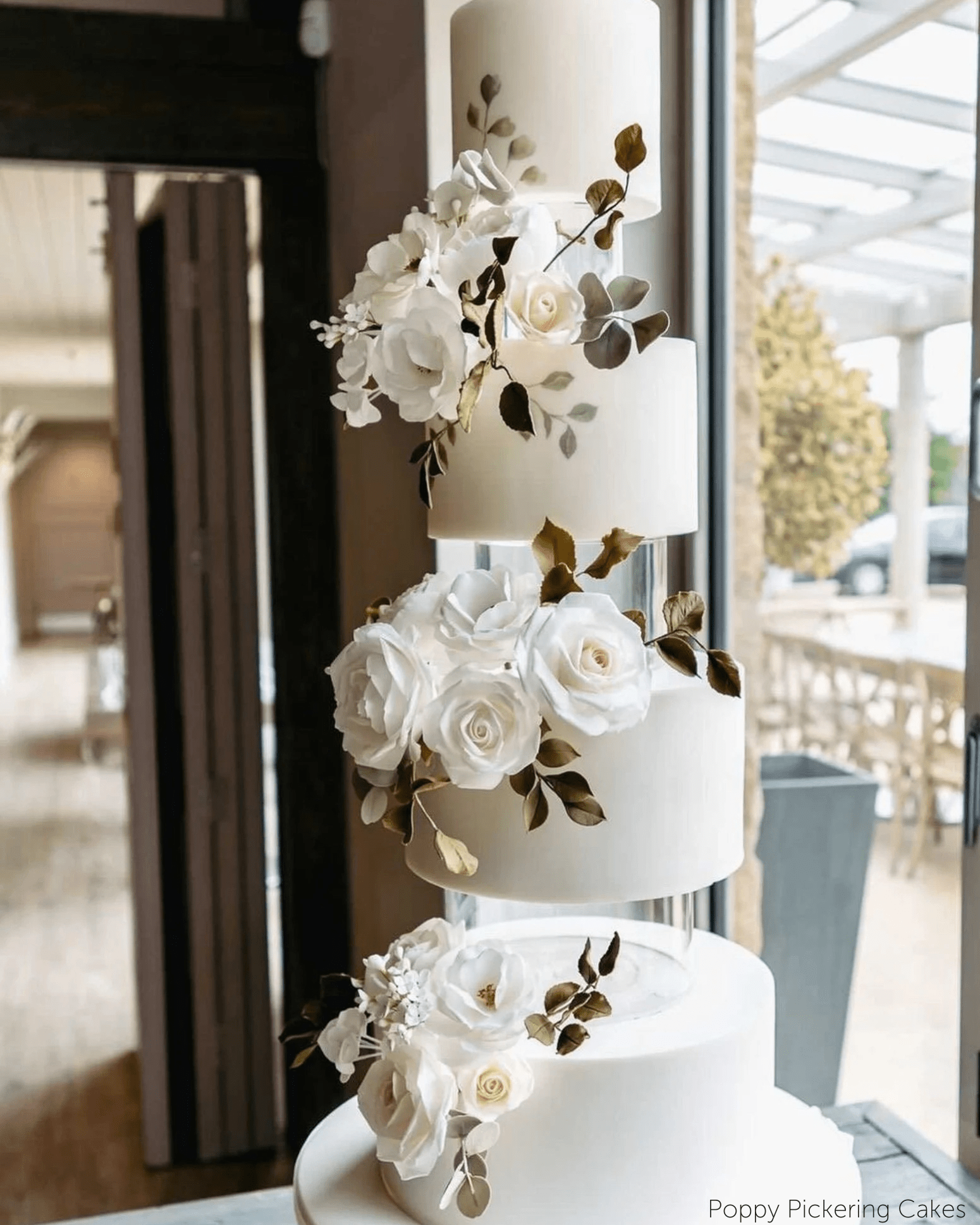
To take the table further, a fuller floral installation or an arrangement of leaves and foliage gives the cake a setting with real depth. This is usually agreed with the client, who then briefs their event florist to prepare it. Grander cake designs carry a full arrangement encircling the base, while pared-back, rustic designs often need no more than a simple leaf halo you can arrange yourself at set-up.

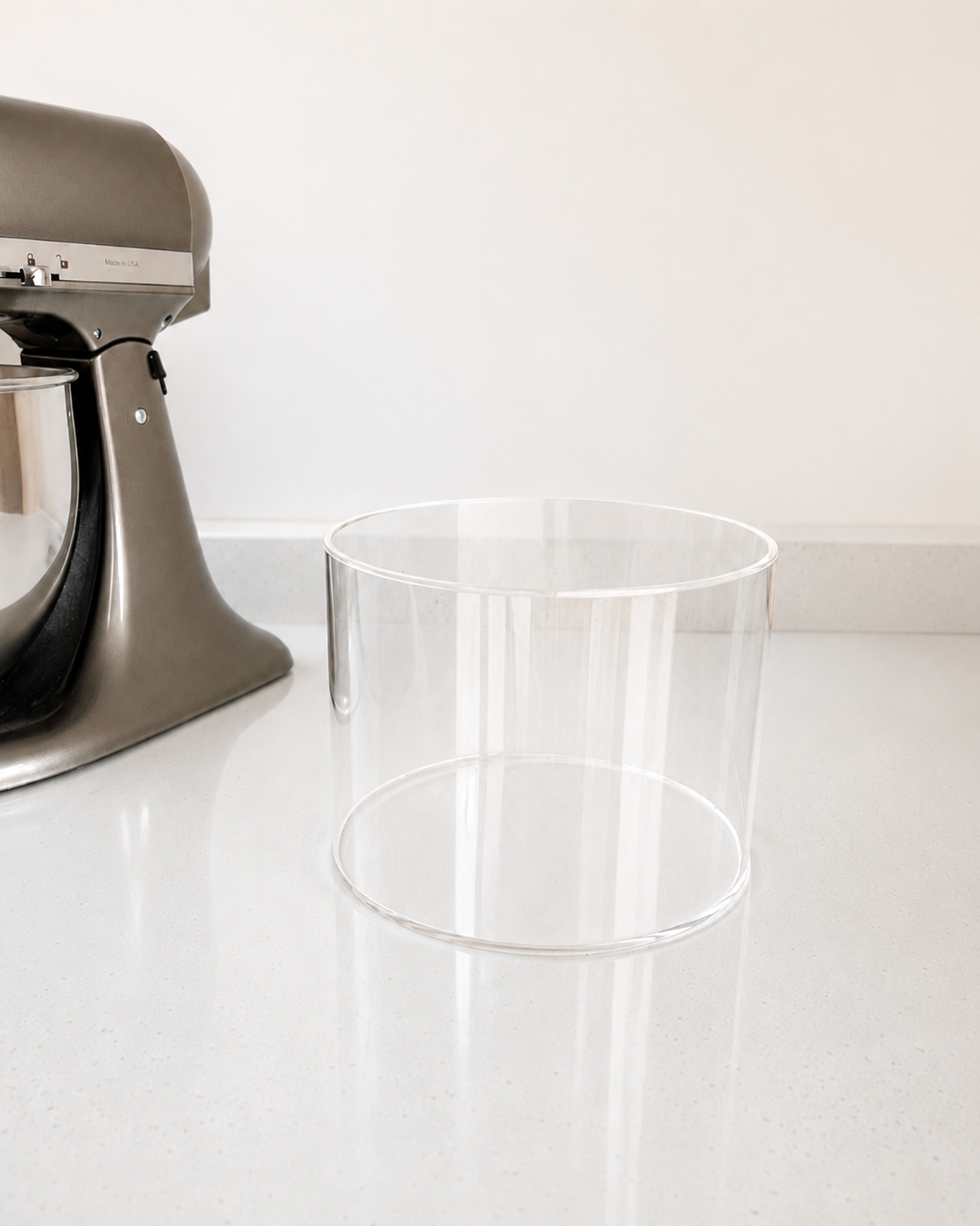
Give the cake the height to sit above the flowers. A platform stand, plinth or a set of faux tiers and separators raises the cake clear of the arrangement so it rises over the floral stage rather than competing with it. Source enough greenery and flowers in advance if you plan to build the look yourself, and always stand the cake tall and proud above the foliage so attention stays where it belongs.
Finishing props
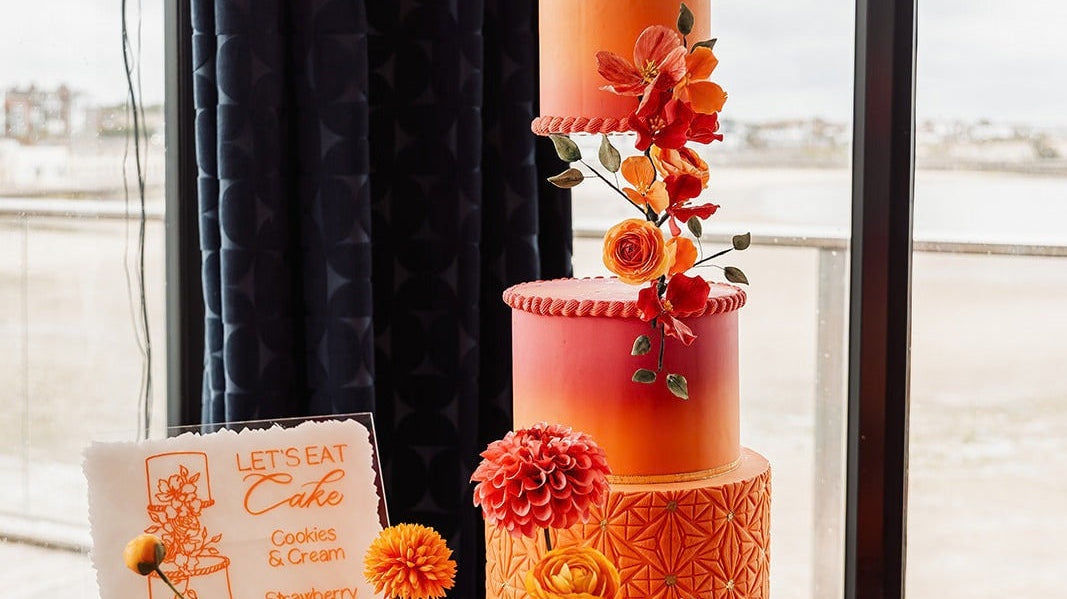
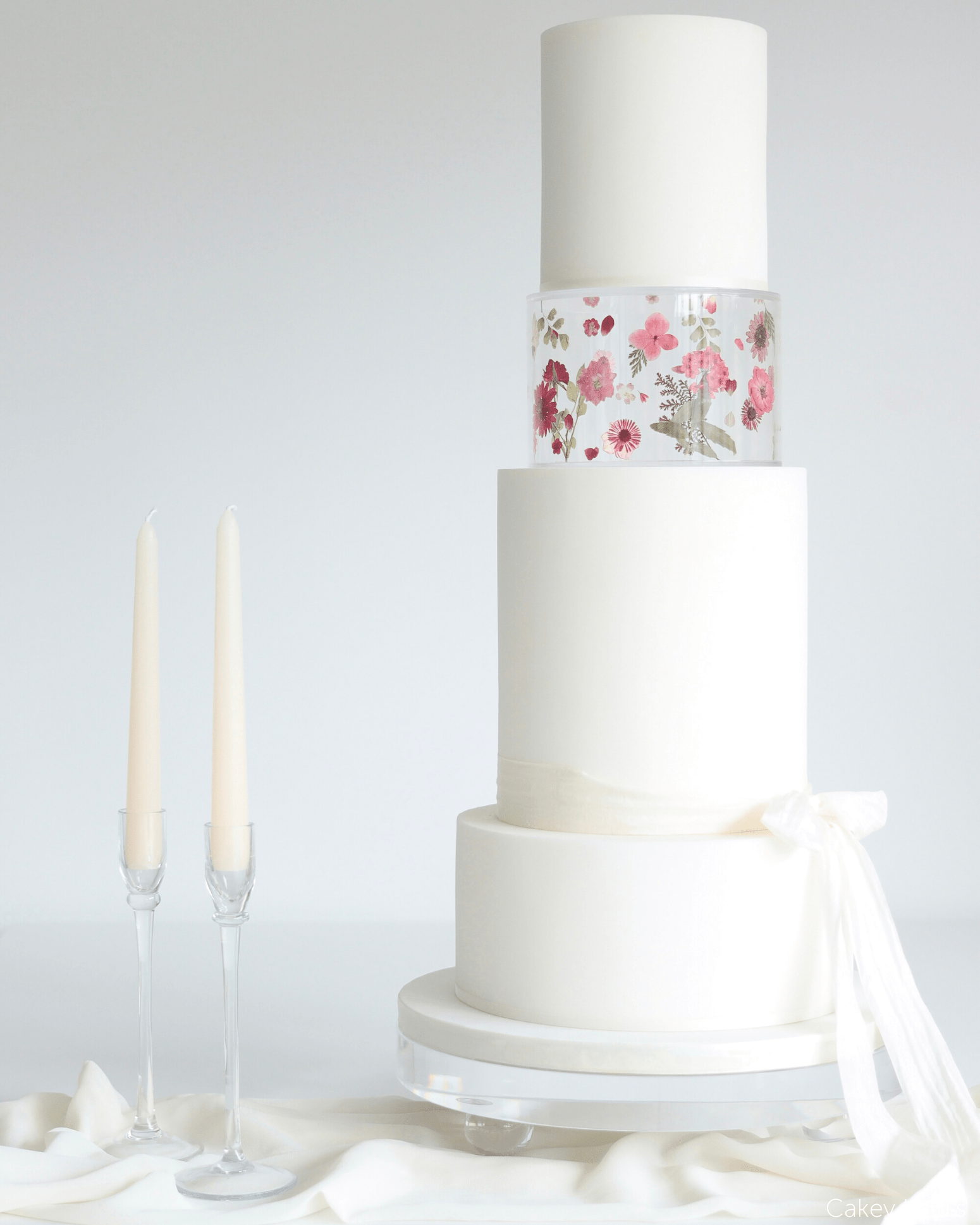
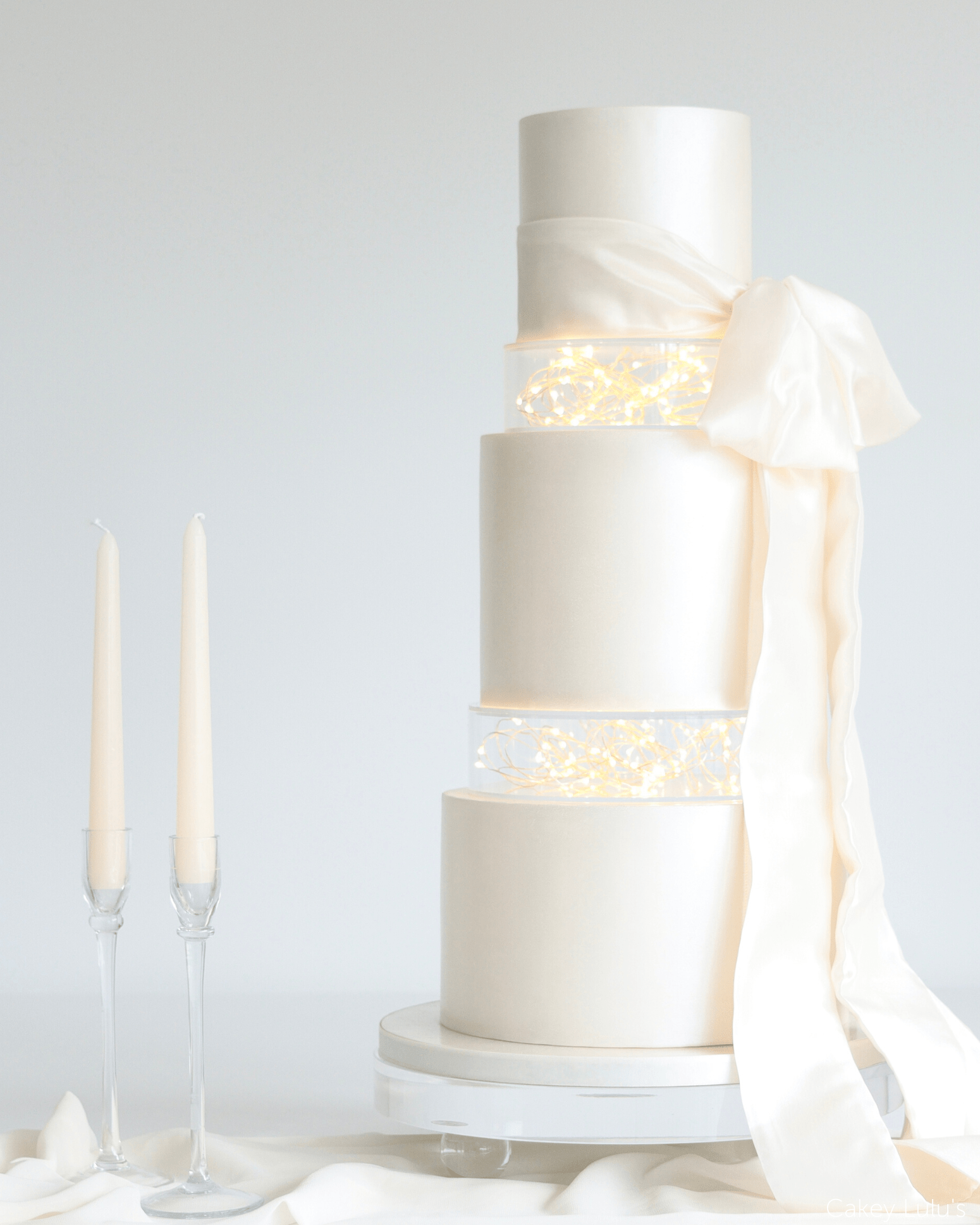
The rule with props is restraint. Their job is to complete and complement the cake, never to overwhelm it or pull focus. A few carefully placed tea lights, a pair of champagne glasses, or a small cluster of decorative pieces can finish the scene and bring a plain canvas to life.
Choose props that work as hard in photographs as they do in the room. The cake table is one of the most photographed corners of any reception, so every piece on it earns its place twice: once for the guests in front of it, and once for the camera that carries it everywhere afterwards.
Bring it up at the consultation
The cake table is best agreed at the consultation stage, not on the day. More often than not we are offering prompts to clients, who then brief their wedding stylist or florist to prepare the decor. Because cake props are usually part of the cake designer's own inventory, the consultation is the right moment to suggest suitable stands, plinths and finishing pieces and to confirm who is providing what.
We channel real care, effort and skill into every cake we make. They deserve to be shown at their best. Layer the surface, build the height, frame it with florals, and let the cake centrepiece hold the room exactly as it should.
Build the table around the cake
Explore cake stands, plinths and separators designed to carry a centrepiece, in wood, metallic and acrylic finishes.
Shop Cake Stands & Separators